 CityBuddy
 English
Things to Do in Giza, Egypt
Photo made by Atman Bouba on Pexels.com
Plan your perfect trip to Giza, Egypt
Get a complete travel plan built just for you in under 30 seconds, with daily routes, local food tips, budget estimates and more.
Are any of these especially important to you?
Select all that apply
Plan language: EnglishMost popular attractions in Giza, Egypt
Cruising the Nile and soaring over the desert barely scratch the surface of things to do in Egypt, but the Great Pyramid of Giza demands attention at 138 meters tall. The Great Sphinx of Giza waits 450 meters south, and the Valley of the Kings hides 63 painted tombs across the river at Luxor.
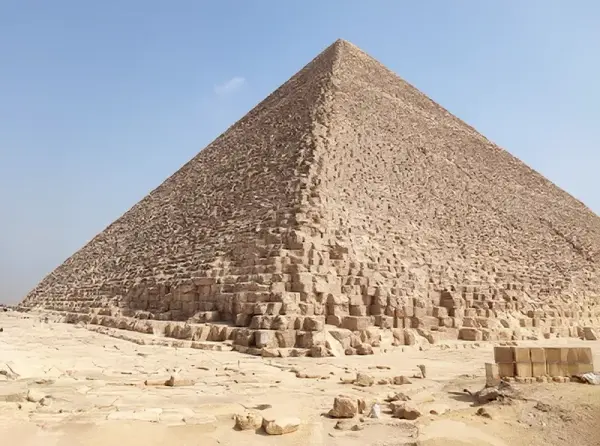
1. Great Pyramid of Giza
Giza
Quick facts: Walking up to the steep, weathered sides, you can almost imagine the original smooth limestone surface flashing in the sun, a shimmer that would have made the whole structure glow. Experts estimate roughly 2.3 million limestone blocks were placed with such precision that the base is level within a few centimeters over more than 230 meters, a technical accomplishment that still puzzles modern engineers.
Highlights: Step into the central corridor and you feel the air cool against your skin, the stone smelling faintly of dust and cedar; the builders stacked roughly 2.3 million limestone blocks, some as heavy as 80 tonnes, to reach the original height of about 146.6 meters. A quirky 19th-century tradition has visitors tracing the soot-marked names left by explorers like Giovanni Battista Belzoni in 1818, a tangible link to the moment when the inner chambers were first reopened to the modern world.
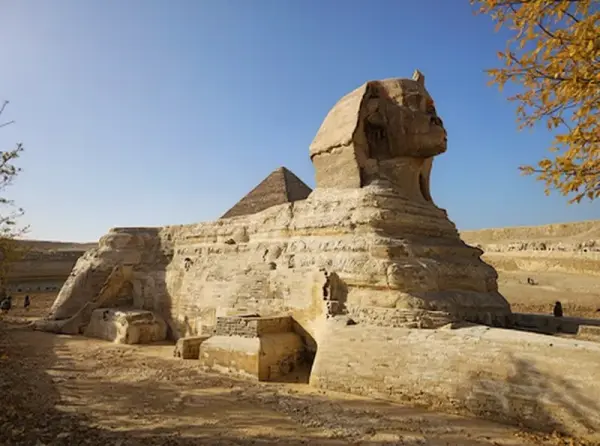
2. Great Sphinx of Giza
Giza
Quick facts: A sun-baked limestone colossus squats beneath the open sky, its weathered visage and missing nose fueling more myths than any plaque can resolve. Archaeologists and curious travelers alike press close to study chisel marks and patched repairs, surprised by how much of the figure was carved from the living bedrock rather than assembled stone.
Highlights: In 1378 a Sufi named Muhammad Sa'im al-Dahr chiseled off the nose in protest against peasants leaving offerings, and chroniclers record he was executed for the vandalism. Get closer and you can see it was carved from a single limestone ridge about 73 meters long and 20 meters high, the weathered tool marks and different colored layers of stone giving the face an oddly small profile, which has led experts to suggest the head was recut from an earlier lion statue around 2500 BCE, roughly 4,500 years ago.
Where to Stay in Giza, Egypt
Selected by City Buddy based on guest reviews and proximity to top attractions
Search all hotels in Giza, EgyptPowered by agoda
Traditional Sweet Dishes
Basbousa
Basbousa is a semolina cake soaked in sweet syrup that is a staple at Egyptian celebrations and cafés. The syrup soak keeps it moist and the top is usually decorated with a single almond or walnut.
Kunafa
Kunafa is a crispy shredded pastry filled with sweet cheese or nuts and drenched in syrup. It became hugely popular during the Fatimid era in Egypt and is a star dessert during Ramadan.
Umm Ali
Umm Ali is Egypt's beloved bread pudding made with puff pastry, milk, nuts, and raisins. Legend says it was created in the 13th century and named after the wife of a sultan who wanted a spectacular dessert.
Traditional Savory Dishes
Koshari
Koshari layers rice, lentils, macaroni, and chickpeas under a spicy tomato sauce and crispy fried onions. It is widely considered Egypt's national dish and a top street food favorite.
Ful Medames
Ful Medames is a creamy stew of fava beans slowly cooked until soft, often served with egg at breakfast. It is one of the oldest foods in Egypt, with traces dating back to the time of the Pharaohs.
Molokhia
Molokhia is a hearty green soup made from finely chopped jute leaves simmered with garlic and coriander. It is often served with rabbit, chicken, or duck and has been eaten in Egypt since ancient times.
Traditional Beverages
Karkadeh
Karkadeh is a ruby red hibiscus tea served either hot or iced. It was a favorite drink of the ancient Egyptians and is especially popular at weddings and festive gatherings.
Sahlab
Sahlab is a thick, creamy hot milk drink thickened with orchid root powder and topped with cinnamon, coconut, and nuts. It is a comforting winter drink in Egypt that is rich and pudding-like.
Erk Soos
Erk Soos is a dark, sweet licorice drink sold on the streets of Egypt, especially during Ramadan. Vendors pour it from hanging glass containers, and it is beloved for its refreshing aftertaste on hot evenings.
Frequently Asked Questions about Giza, Egypt
Is Egypt safe for tourists?
How many days do I need in Egypt?
What is the best time to visit Egypt?
Is Egypt expensive to travel?
How do I get around Egypt?
Get a PDF with the most popular attractions sent to your email
Get a PDF with all attractions, ratings, and tips. Perfect for offline use.
Find flights to Giza, Egypt
Click to get eSim for Giza, Egypt
The easiest and most affordable way to get mobile internet wherever you travel.
Comments (0)
No comments yet. Be the first!