CityBuddy
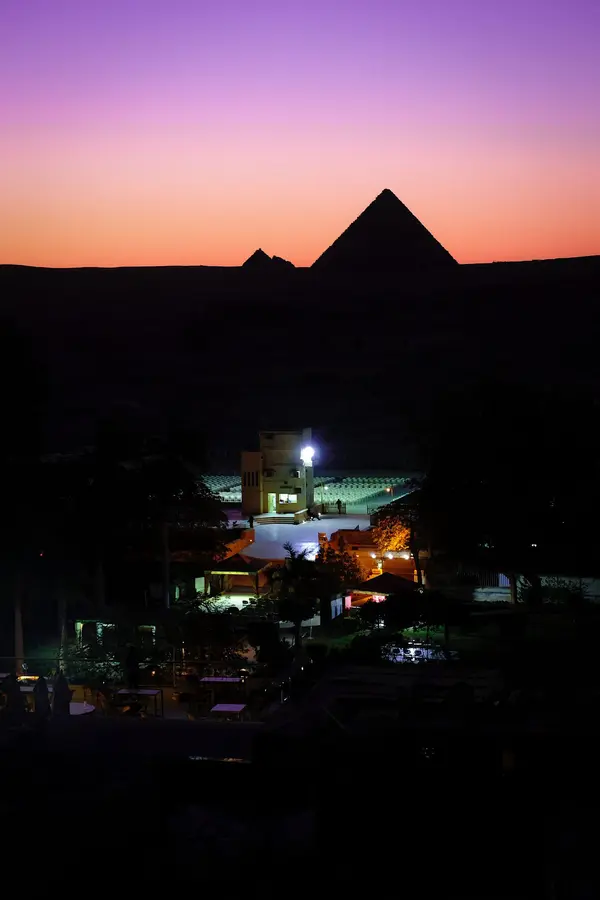
Giza Sound and Light Show
Best time to visit
Book the first evening screening, which starts around 19:30 in summer and 18:30 in winter right after dusk. Cooler night air keeps the desert pleasant, and the earliest show leaves time to wander the plateau's lights afterward.
Budget tips
Standard seats run about 600 to 800 EGP (roughly 15 to 25 USD), with pricier premier sections up front, and audio headsets come included. No free nights exist, but buying a daytime plateau entry and the evening ticket together in one transaction cuts the combined cost.
Recommended for
History buffs, Couples, Photography enthusiasts, Travelers short on time
Plan your visit
1-1.5 hours
About
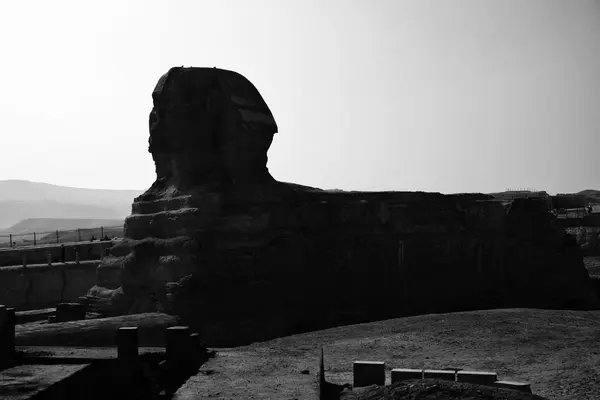
Quick facts: The Sphinx's lips move in perfect sync with a recorded voice, so the ancient statue appears to narrate the whole 45-minute story itself. More than 20 hidden speakers and banks of laser projectors light up the pyramids across the sand, with the show rolling out nightly in rotating language channels.
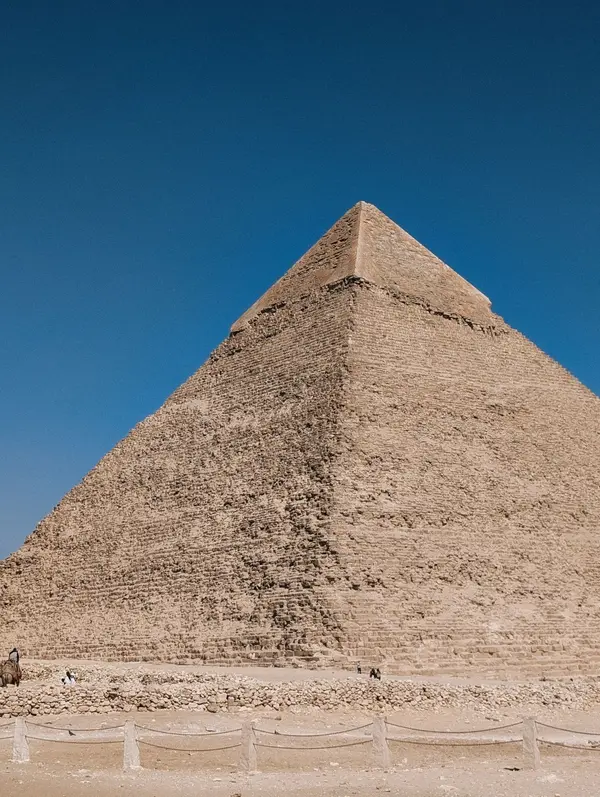
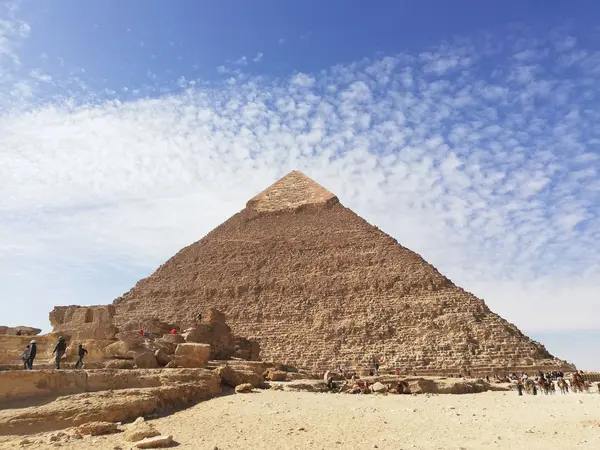
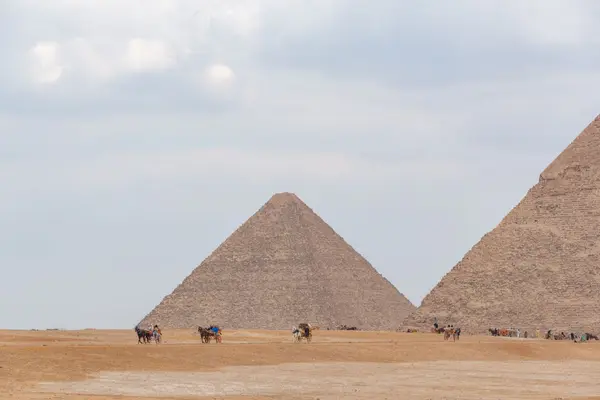
Highlights: Hidden speakers buried in the desert sand throw thunder and voices at you from behind your own shoulders, creating surround sound no indoor venue can match. Near the finale, the laser rig paints swirling hieroglyph shapes across all three pyramid faces at once while the Sphinx's stone lips keep moving mid-sentence.
Insider tips
- Claim a seat in the middle to upper rows, where the lasers and Sphinx projections line up instead of flattening out.
- Desert temperatures drop fast after dark, so bring a light jacket even on summer evenings.
- Pick your narration language (English, Arabic, German, or French) at the headset booth and give the battery a quick test before finding your seat.
- Skip the front rows near the Sphinx and shoot from the back rail instead to frame the full pyramid faces against the black sky.
Practical info
Where to Stay in Giza
Selected by City Buddy based on guest reviews and proximity to top attractions
Search all hotels in GizaPowered by agoda