 CityBuddy
 English
Things to Do in Coimbra, Portugal
Photo made by Carlos Machado on Pexels.com
When to visit
Most popular attractions in Coimbra, Portugal
Among the best things to do in Coimbra, Portugal, are touring the University of Coimbra, one of the oldest educational institutions in Europe, and the Joanina Library, a baroque library housing over 300,000 books. It is also worth visiting the ruins of Conímbriga, located just 16 kilometers from the city center.
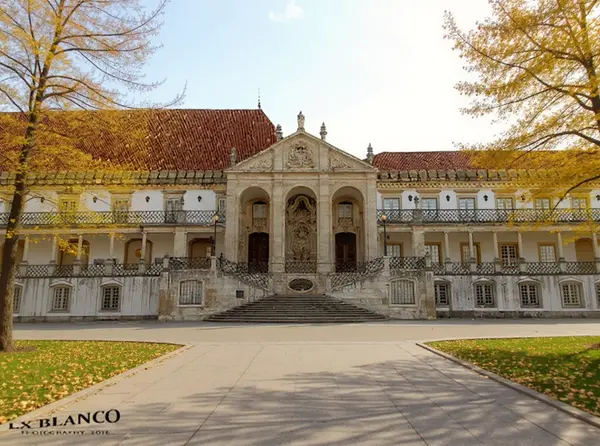
1. University of Coimbra
Worth visiting for its rich history and impressive literary collection. Expect a walk through architecture and atmosphere spanning hundreds of years.
Quick facts: The university attracts around 20,000 students each year, making it one of the largest in Portugal. It houses a library with over a million books, including rare manuscripts from the 13th century.
Highlights: No other educational institution in Portugal can boast a chapel with an acoustic effect that can amplify a single voice to over 700 listeners. It is also famous for the Summer Academy of Classical Music held in the summer months, bringing music directly into the courtyards within the campus.
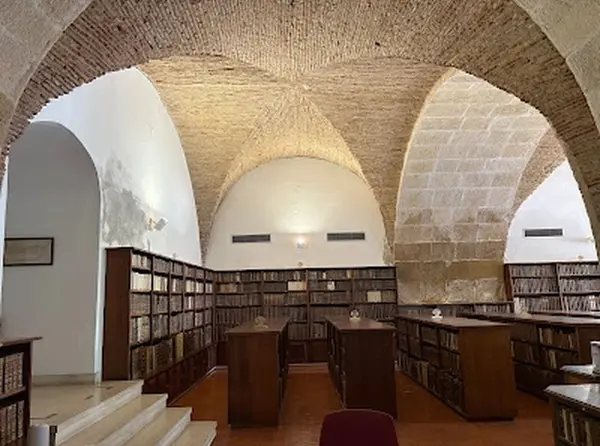
2. Biblioteca Joanina
An impressive collection of rare books and a golden interior offer a unique visual experience. Experience the silence and peace guarded by an invisible protector - a colony of bats.
Quick facts: This library holds about 70,000 rare books from various periods. The commitment to preserving the books encourages the use of special techniques to protect against moisture and pests.
Highlights: The interior is adorned with golden decorations, creating a luxurious atmosphere preserved by a colony of bats that protect the books from insects. This unusual cooperation with bats makes the space unique in the world of libraries.
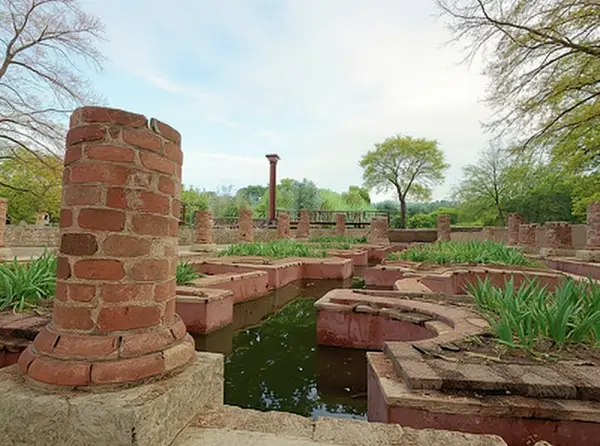
3. Conímbriga Ruins
Visit fascinating Roman ruins with well-preserved mosaics. Take a walk through the Roman city and feel history beneath your feet.
Quick facts: This archaeological site includes remains of a Roman city with the best-preserved mosaics on European soil. The area reveals remains of thermal baths, houses, and streets with a Roman urban network.
Highlights: One of the houses features mosaics with brown and blue colors preserved so well they look like they were painted yesterday. It is fascinating how the floor mosaics with motifs such as fish scales and lion heads were found and reconstructed.
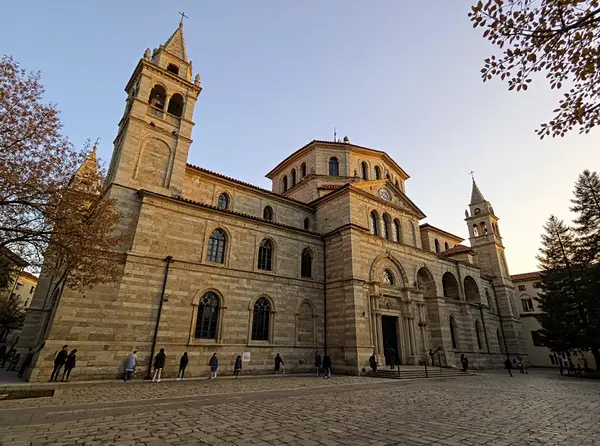
4. Monastery of Santa Clara-a-Velha
Perfect for lovers of history and architecture. Discover forgotten stories and vivid frescoes within old stone walls.
Quick facts: This landmark is underwater during major floods due to proximity to the Mondego river. The buildings were abandoned because frequent floods destroyed the land around the monastery itself.
Highlights: The underground parts of the monastery were discovered in 1994 during excavations, revealing medieval ways of life. Particularly interesting are the frescoes that survived the floods and retained their original colors.
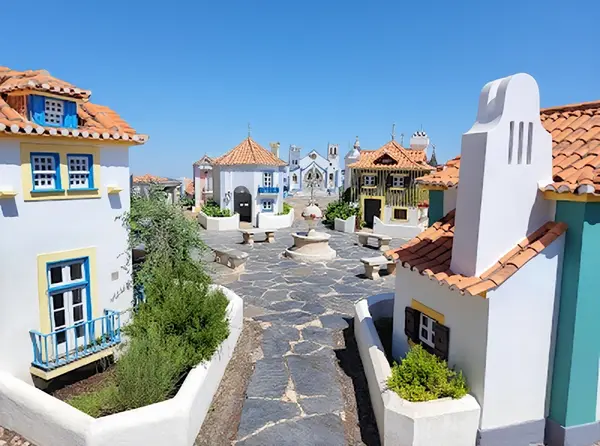
5. Portugal dos Pequenitos
A place to travel across the whole country in one day. Discover miniature buildings and interactive games that delight the entire family.
Quick facts: Here, traditional Portuguese houses and monuments are presented in miniature, with about 100 buildings made at a reduced scale of 1:3 or 1:4. The park spans over 25,000 square meters and has been visited by more than 2 million people since its opening.
Highlights: Especially impressive is the replica of Portugal's "Science and Technology Park," where interaction with miniatures is possible, including historical elements experienced by touch. Children enjoy playing with miniature emergency vehicles while children and adults appreciate the authentic details of each classic architectural structure.
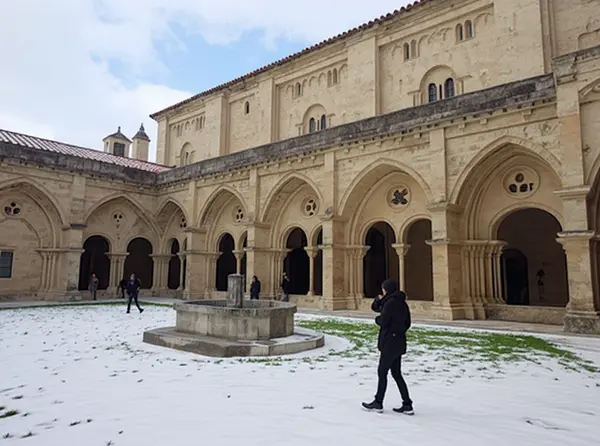
6. Old Cathedral of Coimbra (Sé Velha)
Sé Velha
The magical atmosphere of the medieval fortress makes every visit a special experience. Discover stone arches and frescoes that tell a story of a long past.
Quick facts: The church interior surprises with powerful Romanesque architecture featuring massive stone columns and unique seven-part arches. The fortress-like church served as a refuge in wartime with thick walls up to 3 meters thick.
Highlights: The inner chapel with 12th-century frescoes displays detailed biblical scenes that are extremely rare in Portuguese art of that period. It is also known for its smaller tower with a spire helmet, different from classical Romanesque styles, adding a special charm to the facade.
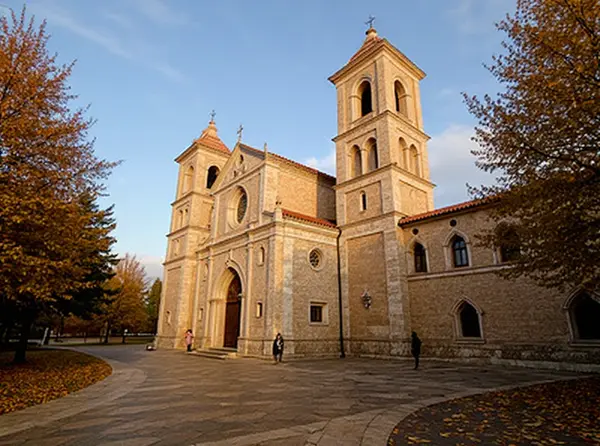
7. Santa Cruz Monastery
Worth seeing because it provides insight into the royal history of Portugal. Visitors will feel the atmosphere of the Middle Ages through impressive architecture and royal tombs.
Quick facts: The church has one of the longest monastic corridors in Portugal, measuring 110 meters long. It combines Romanesque and Baroque architectural styles, which is very unusual for this region.
Highlights: The monastery houses the tomb of Portuguese kings, including the first king of Portugal, Afonso Henriques, giving visitors a sense of entering a royal world. At the entrance, there is an inscription with ancient Portuguese letters that few modern tourists even notice.

8. Penedo da Saudade
A perfect place for nature and poetry lovers. Walk along paths marked with verses and enjoy the view of the river and the city.
Quick facts: Standing 105 meters tall, it offers panoramic views of the city and the Mondego river. It is known for murals and plaques with quotes from famous Portuguese poets often added by students.
Highlights: The path surrounded by magnolia and camellia trees provides a peaceful atmosphere for walking. Every corner hides walls enriched with verses evoking nostalgia, especially works by Camões and Pessoa.

9. Quinta das Lágrimas
Walk through a park where legend turns into reality. Smell the scent of camellias and listen to the story of one of the saddest loves in Portuguese history.
Quick facts: The garden's name translates to "Estate of Tears," a tribute to a medieval love affair that ended in tragedy on these very grounds. Roughly 5 hectares of lush parkland wrap around a fairy-tale palace, where legend insists the Fountain of Tears stones stay blushing red to this day.
Highlights: Legend says the doomed queen's tears soaked into the riverbank here, leaving the Fountain of Tears stones permanently stained a warm reddish hue. On a quiet morning you can still find that exact spot, where spring-fed water trickles over mossy rocks surrounded by age-old camellias.
10. Museu Nacional de Machado de Castro
Peek into the underground Roman world from which a Renaissance palace full of artistic treasures grows. Stroll through halls with the largest collection of sculptures in Portugal and experience history in four dimensions.
Quick facts: More than 40 galleries spread through a former bishop's residence, filled with medieval statuary, goldwork, and Flemish paintings. Descend the worn stone stairs and you'll reach a 2,000-year-old Roman cryptoporticus, vaulted corridors that once braced an entire forum.
Highlights: Beneath the marble floors lies a 1st-century Roman cryptoporticus, a honeycomb of brick-vaulted corridors where your footsteps echo like drumbeats and the air smells of cool stone and damp earth. Look closely at the walls and you can trace the grooves left by Roman masons' pickaxes almost 2,000 years ago, then stand where forum crowds once queued for their daily bread.

11. Museu da Ciência da Universidade de Coimbra
Step into the oldest university science museum in the world. Walk through authentic laboratories and feel the spirit of the Enlightenment through live experiments and interactive exhibits.
Quick facts: Four centuries of hospital care unfolded in these stone halls before the building reopened as a science museum, and the original 18th-century pharmacy still stands with hundreds of hand-painted ceramic jars. Roughly 30,000 objects fill the collections, including period astronomical instruments and natural history specimens preserved by professors who taught in these same rooms.
Highlights: Forget the display cases for a minute; the real showstopper is the intact pharmacy, where row after row of hand-painted jars still sit beneath a painted ceiling and the air smells faintly of wood, wax, and old herbs. Follow the elevated metal walkway across into the botanical garden, a bridge that lets you float above the treetops between two centuries of learning.
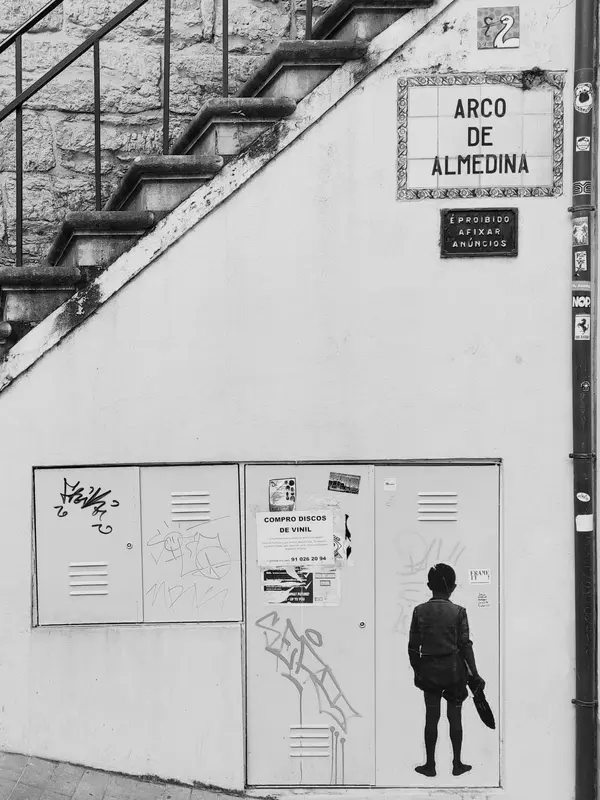
12. Arco de Almedina
Through this gate you step right into the heart of a medieval city. You will experience narrow alleyways, the smell of old stone, and a breathtaking view of the main square.
Quick facts: One intact gateway is all that survives of the medieval walls that once ringed the hilltop city. Pass beneath its tapered Moorish arch and you step straight into the lanes of the old Jewish quarter.
Highlights: A tight spiral of 40 worn stone steps lifts you to a rooftop chapel that doubles as a lookout post. From its balcony, you can trace the armillary sphere of King Manuel I carved in stone, the same celestial instrument that later appeared on Portugal's flag.
Where to Stay in Coimbra, Portugal
Selected by City Buddy based on guest reviews and proximity to top attractions
Search all hotels in Coimbra, PortugalPowered by agoda
Opening days in Coimbra, Portugal
Which of the top sights close on which day of the week — the classic trip-ruiner, checked for you.
Sunday: 1 of 11 top sights closed — plan museums for another day.
Closed on Sunday · 1 closed, 10 open
Opening days from Google Maps (checked 2026-09-16). Public holidays, strikes and seasonal hours can differ — check the official website before you go.
Traditional Sweet Dishes

Pastel de Santa Clara
This conventual sweet originated from the Santa Clara Convent in Coimbra and is made with saffron-flavored dough filled with a rich egg yolk and almond cream.
Frequently Asked Questions about Coimbra, Portugal
Is it safe to travel to Coimbra, Portugal?
How many days are recommended to spend in Coimbra, Portugal?
What is the best time of year to visit Coimbra, Portugal?
Is Coimbra, Portugal an expensive destination?
How to get around within Coimbra, Portugal?
Get a PDF with the most popular attractions sent to your email
Get a PDF with all attractions, ratings, and tips. Perfect for offline use.
Most popular day trips
Getting there
Airports
Train stations
Lisbon-Porto main line
From Francisco Sá Carneiro Airport, take a direct train or bus to Coimbra city center.
Useful information for Coimbra, Portugal
Overview for Coimbra, Portugal
Compare Coimbra with other destinations
Prices, safety, weather and top attractions side by side, with a verdict for every kind of traveler.
Want a day-by-day plan for Coimbra, Portugal? Open the trip planner
Plan your perfect trip to Coimbra, Portugal
Get a complete travel plan built just for you in under 30 seconds, with daily routes, local food tips, budget estimates and more.
Are any of these especially important to you?
Select all that apply
Getting around
How do you want to move between places?
Plan language: English