 CityBuddy
 Deutsch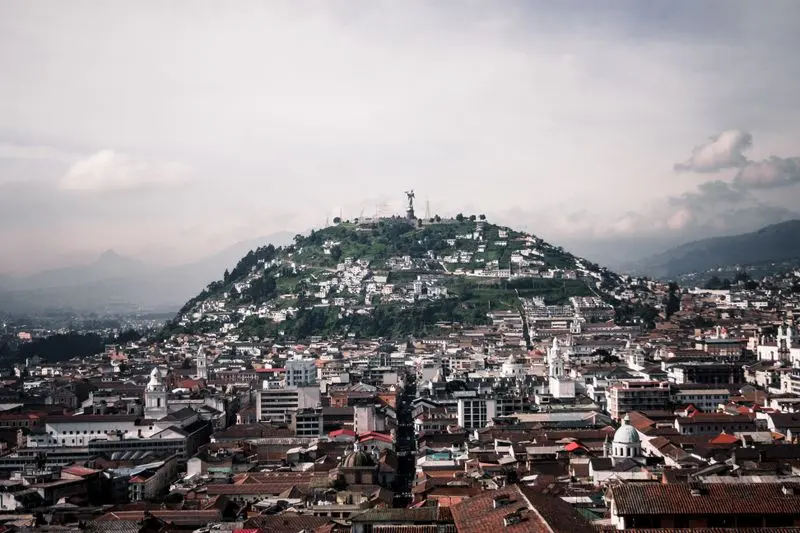
Aktivitäten in Ecuador
Foto gemacht von Lloyd Douglas auf Pexels.com
Wann besuchen
Wann reisen Sie nach Ecuador?
Wählen Sie Ihre Daten und Ihren Reisestil, um zu erhalten:
Sind Ihnen einige dieser Punkte besonders wichtig?
Wählen Sie alle zutreffenden aus
Plan language: DeutschBeliebteste Attraktionen in Ecuador
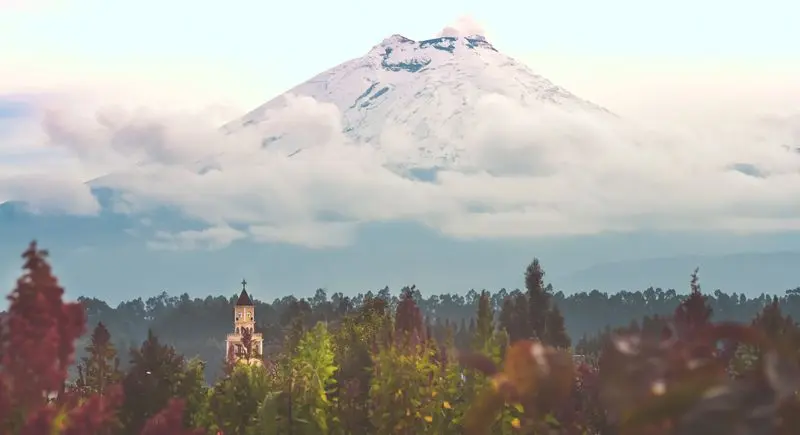
The top things to do in Ecuador range from volcanic summits to living natural laboratories. Summit Cotopaxi Volcano, a 5,897 meter stratovolcano that ranks among the world's highest active peaks. Explore the Galapagos Islands, where Darwin's finches and giant tortoises still roam freely across 13 major islands, each offering distinct wildlife encounters.
1. Middle of the World City
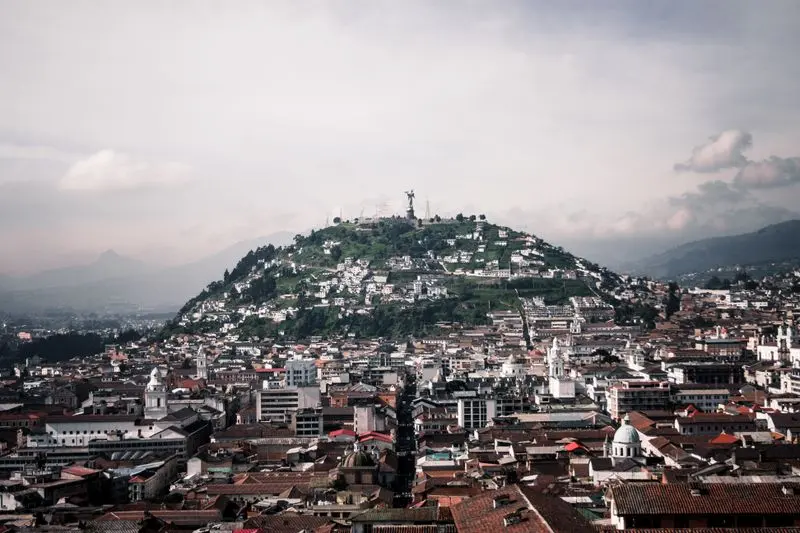
Quito
Stand on the exact equatorial line and balance between north and south at the same time. Walk through museum exhibits, snap photos with the giant monument, and try cheeky equator experiments.
Schnelle Fakten: A monument marks the precise equatorial line where you can stand with one foot in each hemisphere. The yellow stone monument towers 30 meters high and draws over 1 million visitors each year who come to straddle the planet.
Highlights: The monument's shadow disappears entirely on the equinoxes, when the sun aligns perfectly overhead at noon. You can watch water drain straight down a sink on the equator, no swirling direction at all, a simple trick that still baffles first-time visitors.
2. Galapagos Islands
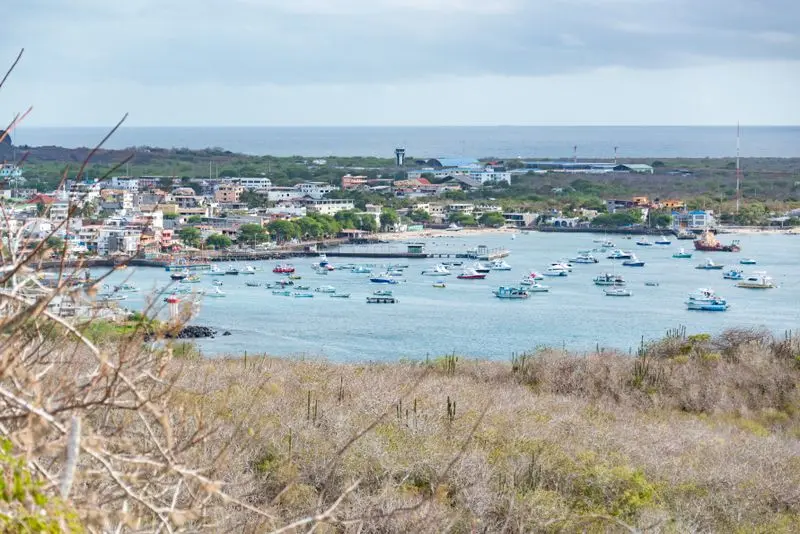
Puerto Ayora
Nowhere else on Earth can you swim with sea lions, walk beside century-old tortoises, and see birds that have zero fear of humans. You'll step into a living laboratory where evolution is still happening, right in front of your eyes.
Schnelle Fakten: Über 97 % der Landfläche stehen als Nationalpark unter Schutz, und der Archipel liegt am Zusammentreffen dreier Meeresströmungen, wodurch eine einzigartige Mischung aus Meereslebewesen entsteht, die es sonst nirgendwo gibt. Mehr als 1.700 hier vorkommende Arten sind endemisch, darunter die einzige Pinguinart, die nördlich des Äquators lebt.
Highlights: Die Meerechsen haben hier die Fähigkeit entwickelt, Salz durch ihre Nasenlöcher auszuniesen, eine bizarre Anpassung, da sie stundenlang unter Wasser Algen abweiden. Beobachte sie, wie sie nach dem Schnorcheln auf schwarzen Lavafelsen liegen und aussehen wie kleine Drachen mit weißen Salzkronen, die sich auf ihren Köpfen gebildet haben.
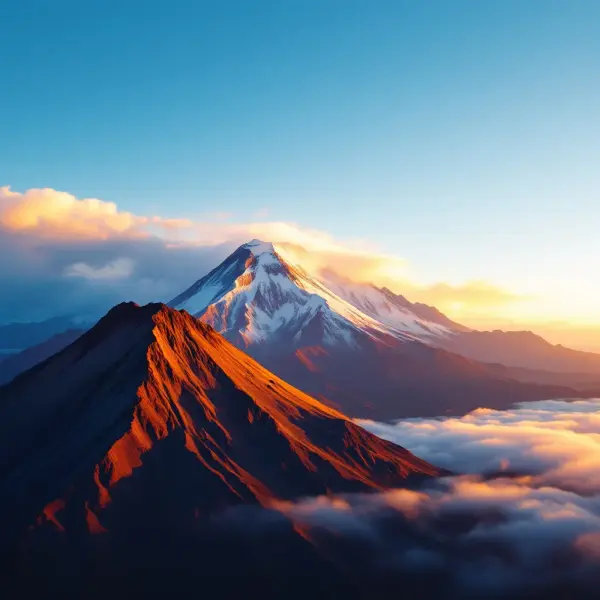
3. Cotopaxi Volcano
Latacunga
Stand on an active glacier at 5,897 meters without needing ropes or technical gear. You'll crunch through volcanic scree at dawn, then posthole up creamy snow as the sun ignites the surrounding Andes.
Schnelle Fakten: Standing at 5,897 meters, it's one of the highest active volcanoes on the planet and a favorite acclimatization climb for Everest aspirants. Its near-perfect symmetrical cone is crowned by a glacier that feeds rivers supplying Quito's drinking water.
Highlights: Unlike most high-altitude climbs that require technical ice work, the standard route up Cotopaxi is a straightforward snow slog that rewards you with sunrise views stretching across the Ecuadorian spine. The real magic happens above 5,000 meters where the highland landscape transforms into a surreal moonscape of black volcanic rock and blinding white ice.
4. Historic Center of Quito
Quito
Wander cobblestone streets framed by gold-leaf altars, snow-capped peaks, and eruption views. You will walk a living timeline where Inca stones, Spanish frescoes, and street vendors selling roasted cuy collide.
Schnelle Fakten: The center holds over 5,000 colonial-era structures, one of the largest such collections in the Americas. Its 16th-century streets follow the original Inca urban layout, with the Plaza Grande sitting exactly where the Inca palace once stood.
Highlights: Inside the San Francisco monastery complex, a 16th-century mural hides a sunken pre-Columbian ceremonial pool beneath the main altar, blending two faiths in stone and water. The faint scent of incense still clings to the carved cedar ceilings, mixing with the smoke from candles locals light for saints with both Catholic and Indigenous names.
5. Ingapirca Ruins
Cañar
Stand where the Inca and Cañari worlds merged, at Ecuador's most significant archaeological site. Walk the same stone pathways used for ceremonies and rituals over five centuries ago.
Schnelle Fakten: Rund 500 Jahre alt ist dieser Inka-Komplex die größte bekannte archäologische Stätte Ecuadors. Anders als viele Inka-Stätten wurde sein ovaler Sonnentempel um einen massiven natürlichen Felsen herum gebaut und nicht aus einem gemeißelt.
Highlights: Der Sonnentempel ist so präzise ausgerichtet, dass während der Sommersonnenwende im Juni Sonnenlicht durch eine Türöffnung strömt und den zentralen Felsen perfekt beleuchtet. Die lokalen Cañari bewohnten dieses Land ursprünglich Generationen bevor die Inkas ankamen, und ihr Einfluss lebt in der einzigartigen geschwungenen Bauweise weiter, die beide Kulturen verbindet.
6. Quilotoa Lagoon
Zumbahua
Few places let you paddle a kayak inside an ancient volcano crater. You will descend a steep trail past volcanic rock formations to shores of shifting turquoise water.
Schnelle Fakten: The crater lake reaches depths of 250 meters and its water shifts between turquoise, emerald, and deep blue depending on sunlight and mineral content. Volcanic activity formed the caldera about 800 years ago, creating a collapsed cone nearly 3 kilometers wide.
Highlights: At 3,800 meters above sea level, the lake sits inside a volcano that last erupted before the Spanish ever set foot in the Americas. Kayakers paddle across the crater's surface while Andean condors soar overhead, a 400-meter vertical climb above them.
Where to Stay in Ecuador
Selected by City Buddy based on guest reviews and proximity to top attractions
Search all hotels in EcuadorPowered by agoda
Beliebte Städte in Ecuador
Traditionelle Süßspeisen
Dulce de Leche
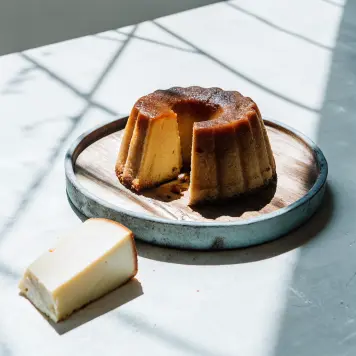
Dulce de Leche in Ecuador is often made with panela (unrefined cane sugar) and served with cheese. It is a beloved sweet treat found in markets across the country.

Espumilla
Espumilla is a light, foamy meringue-like dessert made from guava pulp and egg whites. Street vendors traditionally serve it in a glass cup with a spoon.
Helado de Paila
Helado de Paila is a traditional Ecuadorian ice cream made by hand in a large copper pot (paila) filled with ice and salt. The fruit mixture is stirred vigorously until it freezes into a creamy sorbet.
Traditionelle herzhafte Gerichte
Ceviche
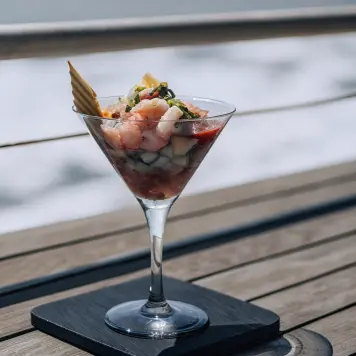
Ecuadorian ceviche is distinct from other Latin American versions as it is often made with shrimp or fish and served with a rich tomato-based sauce. It is commonly accompanied by popcorn, plantain chips, and toasted corn.
Llapingachos
Llapingachos are crispy potato patties stuffed with cheese and served with peanut sauce, chorizo, and fried eggs. They originate from the highlands of Ecuador and are a staple of Sierra cuisine.
Hornado
Hornado is a slow-roasted whole pig that is marinated in garlic, cumin, and achiote before being cooked in a brick oven. It is traditionally served with llapingachos, mote (hominy corn), and a crispy skin known as cuero.
Traditionelle Getränke
Colada Morada
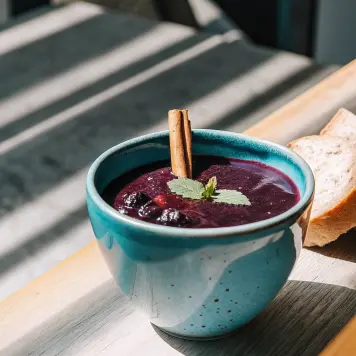
Colada Morada is a thick, purple fruit drink made from black corn flour, berries, and spices like cinnamon and cloves. It is traditionally consumed on November 2nd for Day of the Dead alongside guaguas de pan (bread shaped like children).
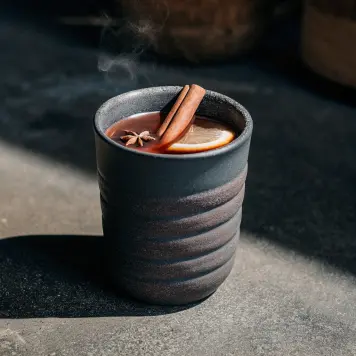
Canelazo
Canelazo is a warm, spiced alcoholic drink made from cinnamon, panela, and aguardiente (sugarcane liquor). It is a popular beverage in the Andes highlands, especially during cold evenings and festive celebrations.
Chicha
Chicha is a fermented corn drink that dates back to pre-Columbian times and is still made by Indigenous communities in the Amazon and Andean regions of Ecuador. It is often prepared by chewing corn to break down starches into sugars for fermentation.
Frequently Asked Questions about Ecuador
Is Ecuador safe for travelers?
How many days should I spend in Ecuador?
What is the best time to visit Ecuador?
Is Ecuador expensive to travel in?
How do I get around Ecuador?
Erhalten Sie ein PDF mit den beliebtesten Attraktionen per E-Mail
Erhalten Sie ein PDF mit allen Attraktionen, Bewertungen und Tipps. Perfekt für die Offline-Nutzung.
Beliebteste Tagesausflüge
Cuenca
Colonial charm with cobblestone streets and markets
Anreise
Flughäfen
Bahnhöfe
Quito to Latacunga and Riobamba (tourist trains)
Cuenca to Nariz del Diablo (scenic route)
From Quito airport, take the Quito Airport Express bus or a taxi into the city center (45 min).
Klicken Sie hier, um eine eSim für Ecuador zu erhalten
Der einfachste und günstigste Weg, mobiles Internet überall auf Reisen zu bekommen.
Visum & Einreise
USA, Canada, European Union, UK, Australia, New Zealand, Japan, South Korea, and most Latin American countries
Some countries in Africa, Asia, and the Middle East
Upon arrival, tourists receive a T3 tourist visa stamp valid for 90 days; extensions are possible for an extra 90 days.
Kommentare (8)
Quito is beautiful but the altitude hit me hard the first two days. Take it slow and drink coca tea. Loved the colonial architecture though.
Honestly a bit underwhelmed. Maybe I built it up too much. Baños was fun but super touristy and everyone trying to sell you the same stuff.
Buy your bus tickets a day early if traveling between major cities. Cheaper online and you avoid sold out situations on Friday afternoons.
Weather was all over the place. Sunny then rain then sun again in the same afternoon. Pack layers and a rain jacket no matter the season.
Carry small bills and coins everywhere. So many places don't have change for 20s especially the smaller markets and taxi drivers.