 CityBuddy
 English
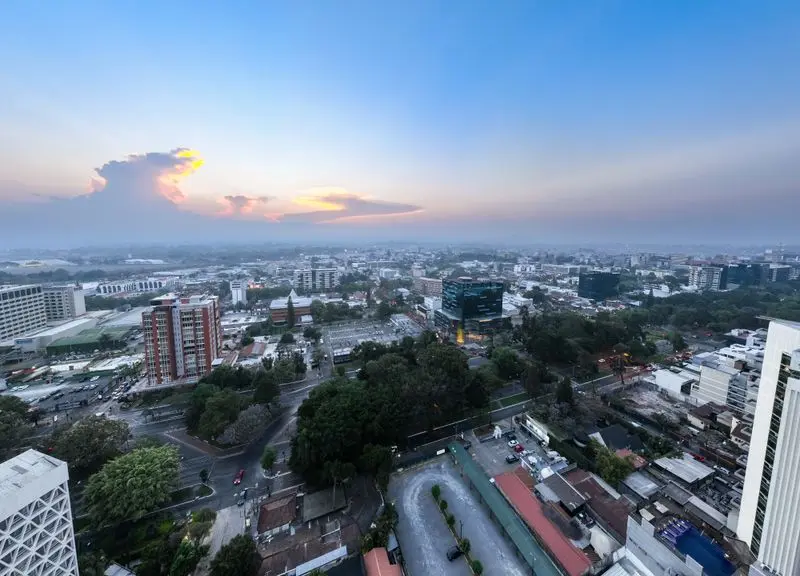
Things to Do in Guatemala City, Guatemala
Photo made by K on Pexels.com
When to visit
Most popular attractions in Guatemala City, Guatemala
When it comes to things to do in Guatemala City, Guatemala, the city offers a blend of history and modern life. Start your walk from Palacio Nacional de la Cultura, a building from 1943, then continue to Catedral Metropolitana at Parque Central, where an hour-long stop reveals the colonial past. In the evening, Zona Viva with its restaurants and galleries offers lively entertainment into the late hours.
1. Palacio Nacional de la Cultura
A palace with over 350 rooms offers insight into the country's political and cultural history. You will walk through former government offices and admire Baroque architecture in the heart of the city.
Quick facts: This palace was once the seat of Guatemala's government, and today it serves as a museum and space for cultural events. Its 240-meter facade is adorned with detailed bas-reliefs and sculptures depicting the country's history.
Highlights: The interior holds a spacious central courtyard with palm trees, where light filters through the arcades and creates a play of shadows during the afternoon. The walls in the rooms of former ministers are preserved in their original blue-green palette, and visitors can see mid-century furniture exactly as it was left.
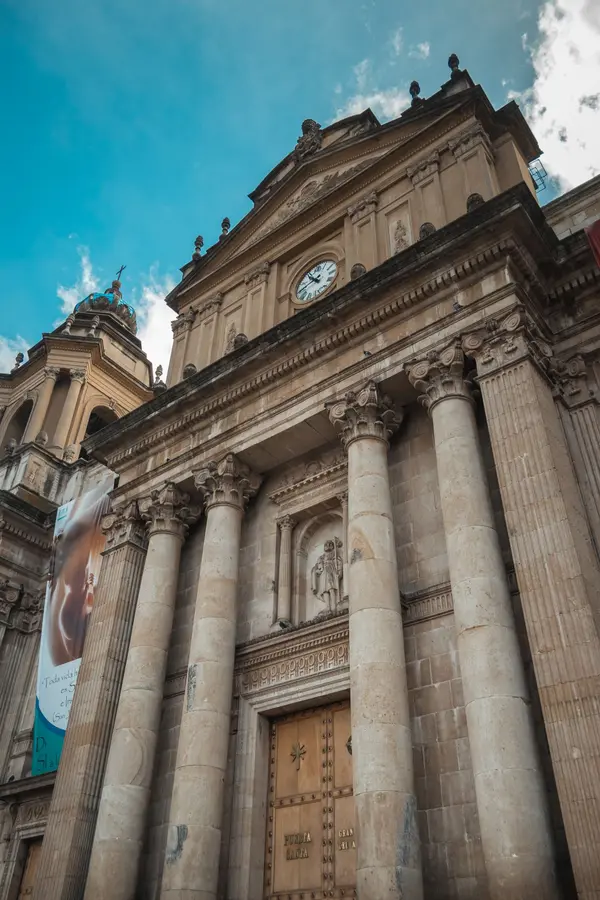
2. Catedral Metropolitana
The oldest church in the heart of the city beckons with its peace and rich past. Pass through the heavy wooden doors and experience the cool shade of the vaults, the scent of incense, and the play of light through colorful windows.
Quick facts: Its foundations rest on a history of more than two centuries of construction phases, and the stone facade bears traces of the earthquakes that shaped its current appearance. The central location at the corner of 7th Avenue and 6th Street makes it a natural starting point for a walk through the old part of the city.
Highlights: The interior hides an altar made of Luni marble and gilded details that sparkle even in dim evening lighting. Behind the main altar there is a small chapel that many visitors overlook, and it is right there that the oldest preserved paintings in the entire cathedral are found.
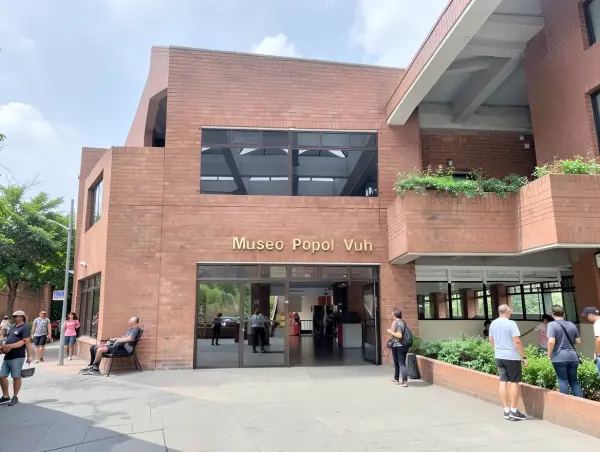
3. Museo Popol Vuh
Peek into the world of the Maya without leaving Guatemala City, in a peaceful university setting. More than 2,000 artifacts, from jade to ceramics, reveal a civilization that lasted thousands of years.
Quick facts: Within the campus of Francisco Marroquín University, it preserves over 2,000 objects from the Mayan and Mesoamerican civilizations, from ceramics to jade. The collection originated from the private collection of the Castillo family and is considered one of the most significant of its kind in the region.
Highlights: The greatest gem is a jade mask from the Classic Maya period, a miniature masterpiece with exceptionally fine carvings visible only under a magnifying glass. Musical instruments and ceramic figures from tombs depict the daily life of the Maya in a way that literally transports you into their world.
4. Parque Central
The heart of Guatemala City where history and everyday life meet. Visitors will see the cathedral, the palace, and the fountain with mermaids while surrounded by the bustle of the square.
Quick facts: The main square of the Guatemalan capital is surrounded by an 18th-century cathedral and the National Palace from the 1930s. The space has witnessed earthquakes, political protests, and the daily life of Guatemalans for more than two and a half centuries.
Highlights: At the very center of the square stands a fountain with six mermaids, which locals call "Fuente de las Sirenas," and the sound of its water becomes the background music for all gatherings. Every afternoon, older Guatemalans come to feed hundreds of pigeons, and vendors sell corn and sweets, creating a living kaleidoscope of colors and smells.
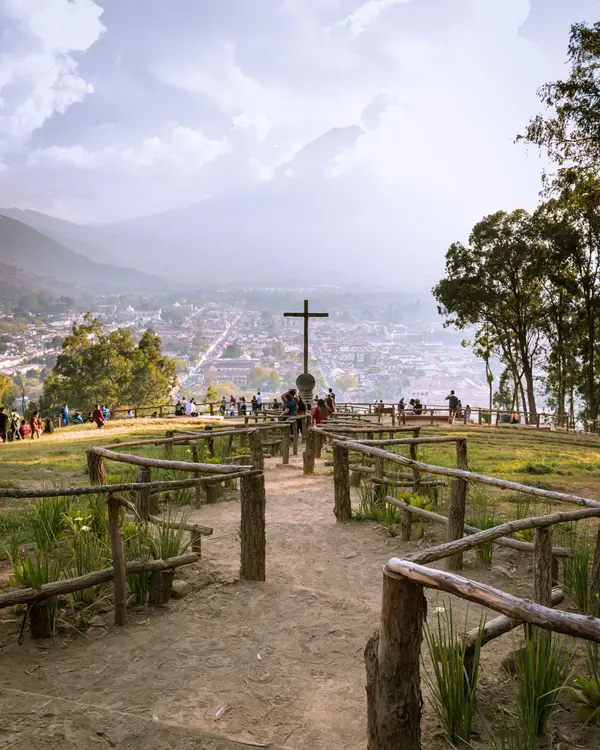
5. Cerro El Frutal
All telecom and phone services in one place, along with other shops. Easy to reach and quick to tour the complex.
Quick facts: This is a commercial complex, not a hill, despite the name suggesting a mountain. Inside, phone stores and telecommunications services operate, along with other retail offerings.
Highlights: The name "Cerro" may be confusing, but here you will not find a hill, but rather a concentration of telecom operators and phone stores in one place. The proximity to the highway and the surroundings of zone 5 in Villa Nueva make it an easy stop for the local population.
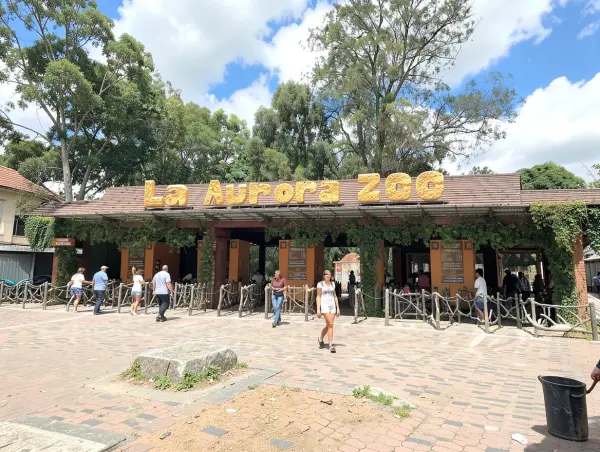
6. La Aurora Zoo
The largest zoo in Guatemala hides a tropical bird aviary you enter as if stepping into a real jungle. You will experience encounters with condors, tapirs, and jaguars just a few steps from the city center.
Quick facts: On a 21-hectare area within Finca La Aurora, over 280 animal species are housed, making it the largest zoo in Guatemala. The zoo simultaneously serves as a tourist attraction and a nonprofit organization, with part of the revenue going to endangered species conservation programs.
Highlights: The biggest attraction is the impressive bird enclosure, a huge netted aviary over 20 meters high where dozens of tropical birds fly freely, so walking through it feels like passing through a real rainforest cloud. There are also famous residents, including an old Andean condor that has been nesting in the same spot for over three decades and regularly attracts visitors with its wingspan of nearly three meters.
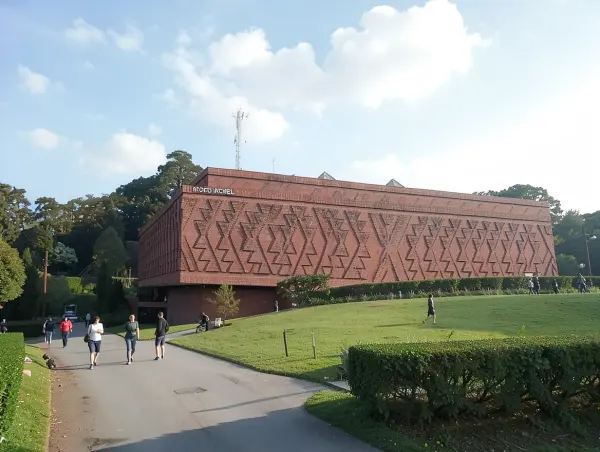
7. Museo Ixchel del Traje Indígena
The richest treasury of Mayan textiles in Guatemala, with over 2,000 costumes under one roof. You will walk through centuries of tradition and see how history is read in every pattern.
Quick facts: The collection numbers over 2,000 traditional costumes and fabrics from all 22 departments of Guatemala, the largest such collection in the region. The museum operates within the campus of Francisco Marroquín University, and its photo archive preserves more than 30,000 images of costumes from different eras.
Highlights: The most fascinating thing is that each costume has its own language: the shapes, colors, and motifs on the fabric tell where the woman comes from, whether she is married, and which celebrations she marks. In one room you can compare two dresses from neighboring villages and see that they differ in every detail, from the weaving technique to the symbols that repeat across generations.
8. Avenida La Reforma
One ride along this avenue reveals all the layers of the capital, from history to modern Guatemala. You will see monuments, parks, and street life like nowhere else.
Quick facts: The city's main avenue stretches about 7 kilometers and connects the historic center with modern business districts. Along it there are over 20 parks, fountains, and monuments, and it is also known for the nighttime lighting of its tall palm trees.
Highlights: Every morning, before traffic begins, hundreds of people run or ride bicycles along the paved path, while vendors at kiosks prepare the first espresso. A special moment occurs at sunset, when the entire avenue is bathed in warm orange light, and the Agua volcano is clearly outlined on the horizon between the buildings.
Where to Stay in Guatemala City, Guatemala
Selected by City Buddy based on guest reviews and proximity to top attractions
Search all hotels in Guatemala City, GuatemalaPowered by agoda
Opening days in Guatemala City, Guatemala
Which of the top sights close on which day of the week — the classic trip-ruiner, checked for you.
Sunday: 3 of 7 top sights closed — plan museums for another day.
Closed on Sunday · 3 closed, 4 open
Opening days from Google Maps (checked 2026-10-02). Public holidays, strikes and seasonal hours can differ — check the official website before you go.
Traditional Sweet Dishes
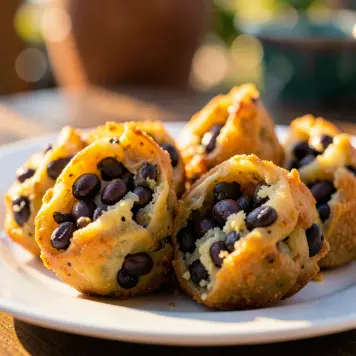
Rellenitos de Plátano
These are mashed plantain dumplings stuffed with sweet black beans and fried until golden. They are a beloved street food dessert that combines savory and sweet flavors in a uniquely Guatemalan way.
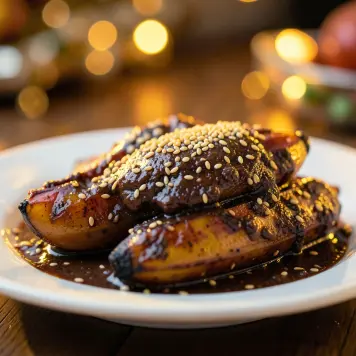
Mole de Plátano
This dessert features ripe plantains simmered in a rich, sweet chocolate and sesame seed sauce. It is a festive dish often served during special occasions and religious celebrations.
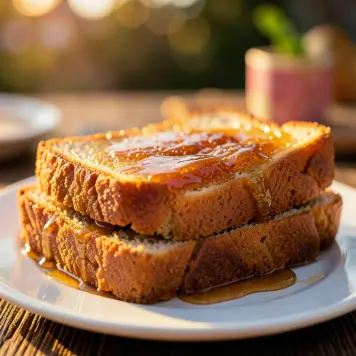
Torrejas
Torrejas are slices of bread soaked in a honey and sugar syrup, similar to French toast but much sweeter. They are traditionally enjoyed during Lent and Easter in Guatemala.
Traditional Savory Dishes
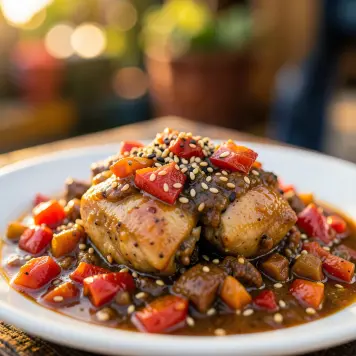
Pepián
Pepián is a thick, rich stew made with chicken or beef and a complex sauce of roasted tomatoes, peppers, and seeds like sesame and pumpkin. It is considered one of Guatemala's national dishes and has deep Mayan roots.
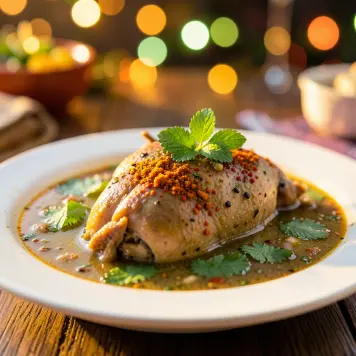
Kak'ik
This is a traditional turkey soup flavored with cilantro, mint, and a special blend of spices, including the fiery chiltepe pepper. Its name comes from the Q'eqchi' Mayan language and the dish is often served at weddings and community festivities.

Chiles Rellenos
These are large poblano peppers stuffed with a mixture of minced beef, pork, vegetables, and capers, then battered and fried. They are typically served with a tomato sauce and sometimes topped with a sprinkle of cheese and parsley.
Traditional Beverages
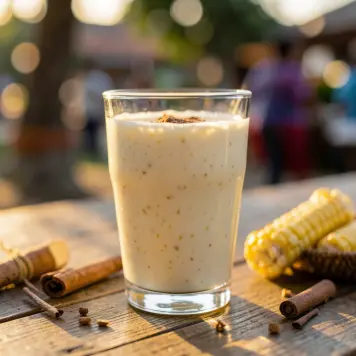
Atol de Elote
This is a warm, creamy corn-based drink made from fresh sweet corn, milk, and cinnamon. It is a comforting treat often enjoyed on cool mornings or during family gatherings and market visits.
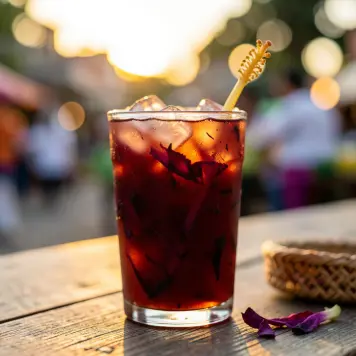
Rosa de Jamaica
This is a refreshing hibiscus flower tea served chilled or warm, with a tangy and slightly sweet flavor. It is a popular drink at Guatemalan markets and is believed to help lower blood pressure.
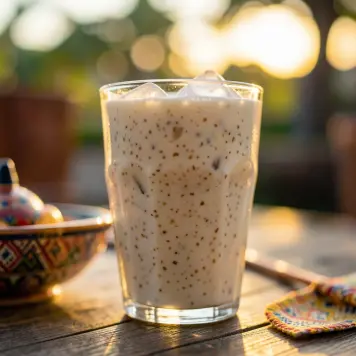
Horchata
Guatemalan horchata is a creamy, cinnamon-spiced rice drink that is distinctly different from its Mexican counterpart because it does not use almonds. It is often served ice cold and is a favorite way to beat the tropical heat.
Frequently Asked Questions about Guatemala City, Guatemala
Is Guatemala City, Guatemala safe for tourists?
How many days are needed to visit Guatemala City?
When is the best time to visit Guatemala City?
Is Guatemala City an expensive destination?
How to get around Guatemala City?
Get a PDF with the most popular attractions sent to your email
Get a PDF with all attractions, ratings, and tips. Perfect for offline use.
Most popular day trips
Antigua Guatemala
Colonial city with cobblestone streets, volcanoes, and historic ruins
Lake Atitlan
Stunning volcanic lake surrounded by indigenous Mayan villages
Chichicastenango
Famous colorful market held on Thursdays and Sundays
Copan Ruins, Honduras
Impressive Maya archaeological site with stelae and temples
Getting there
Train stations
Limited passenger rail; most travel by bus
Intercity bus connections to Antigua, Lake Atitlan, and coastal routes
From La Aurora Airport, take an official taxi or use ride-hailing apps to reach the city center in about 20 minutes. Avoid unofficial drivers outside the terminal.
Useful information for Guatemala City, Guatemala
Overview for Guatemala City, Guatemala
Want a day-by-day plan for Guatemala City, Guatemala? Open the trip planner
Plan your perfect trip to Guatemala City, Guatemala
Get a complete travel plan built just for you in under 30 seconds, with daily routes, local food tips, budget estimates and more.
Are any of these especially important to you?
Select all that apply
Getting around
How do you want to move between places?
Plan language: English