City BuddyCityBuddy
English
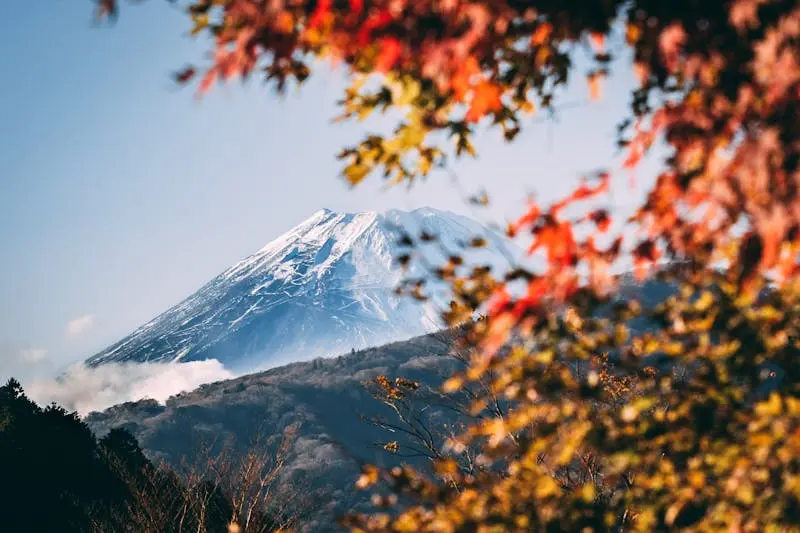
A serene view of Mount Fuji framed by vibrant autumn foliage under a clear blue sky.

14-Day Japan Spring Discovery for Hidden Gems Lovers

Japan & Tokyo & Takayama & Kanazawa & Kyoto & Hiroshima & Osaka & Hakone & Tokyo⚖️Balanced Mix💎Hidden Gems & Local Spots
14 daysspring

Explore Japan beyond the usual tourist path with secret courtyards, local hangouts, and offbeat spots in Tokyo, Takayama, Kanazawa, Kyoto, Hiroshima, Osaka, Hakone, and back to Tokyo.

|
Our #1 travel tip

Before Day 1: Book a FREE walking tour

Free walking tours. Yes, actually free. No credit card needed. No catch.

Local guide, 2-3 hours

Major sights, hidden gems, local stories

100% tip-based

Guides earn only tips, so they give their absolute best

You tip what feels right

At the end, just tip whatever you feel is right

I've done these in dozens of cities and they've been the highlight of almost every trip. If you're visiting Japan, Japan, do this on your first day. You'll thank me later.

Adrijana, founder of City Buddy
Browse FREE walking tours
Day 1Neighborhoods and Hidden Courtyards Tokyo
Morning

Yanaka Ginza Shopping Street

Yanaka Ginza Shopping Street

Explore this charming, less touristy shopping street in the Yanaka neighborhood. Look for unique vintage shops, small local crafts stores, and street food stalls offering treats like senbei rice crackers.

4.1(11k reviews)~2 hours
Late Morning
Discover Kiyosumi Teien garden

~1.5 hours

Visit this serene traditional Japanese garden famous for its beautifully arranged stones and koi ponds. It's a peaceful spot favored by locals, located in the Kiyosumi-Shirakawa area.

4.4(5,315 reviews)
Google Maps DirectionsBook tours & ticketsView details, tips, opening times & more
Afternoon
Explore Shimokitazawa Neighborhood

~3 hours

Wander through the bohemian streets of Shimokitazawa, known for indie fashion boutiques, cozy cafes, and vintage shops. Visit small art galleries and hunt for unique antiques.

Evening
Find a local bar in Shimokitazawa

~2 hours

In the evening, choose any intimate bar tucked away in the alleys of Shimokitazawa. Try locally brewed craft beers or sake with locals in a relaxed underground vibe.

Meals

Recommended traditional local cuisine

Dorayaki
Breakfast$5

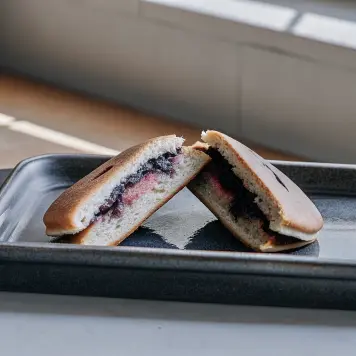
Find a small café near Yanaka Ginza offering freshly brewed coffee and try Dorayaki, a sweet red bean pancake popular in Tokyo.

Dorayaki
Ramen
Lunch$10

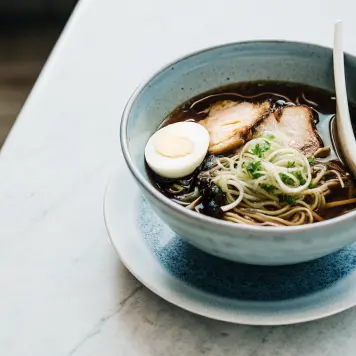
Grab lunch in Kiyosumi-Shirakawa and order a bowl of traditional Ramen, a flavorful noodle soup, in a cozy local shop away from tourist spots.

Ramen
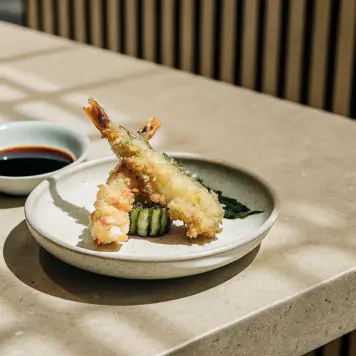
Tempura
Dinner$20

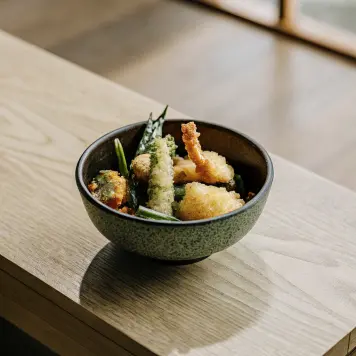
Look for an izakaya bar in Shimokitazawa and order some Tempura, crispy battered vegetables and seafood, paired with a glass of sake.

Tempura
Get around using Tokyo’s extensive subway and bus system for convenience. Use JapanTaxi or DiDi apps for short taxi rides costing about $3 per km.

AccommodationShimokitazawa (bohemian neighborhood known for arts and vintage shops)

This area offers a local vibe with easy access to evening spots and alternative culture attractions visited during the day.

Hotel in Shimokitazawa (bohemian neighborhood known for arts and vintage shops)
$50-70/night

This area offers a local vibe with easy access to evening spots and alternative culture attractions visited during the day.

Search hotels in this area
Day 2Art and Culture Off the Beaten Path Tokyo
Morning

Sumida Hokusai Museum

Sumida Hokusai Museum

Located in the Sumida ward near the Ryogoku area, this museum showcases the works of famed ukiyo-e artist Hokusai. Explore the diverse collection including prints and sketches and take time to appreciate lesser-known pieces in a quiet setting.

4.1(7k reviews)~2 hours
Afternoon
Visit a local craft workshop in Koenji

~3 hours

Koenji is known for its underground culture and arts scene. Visit a small craft workshop along the main shopping street where you can watch artisans at work and even try your hand at making simple crafts guided by locals.

You’ll typically find a relaxed, hands-on atmosphere where beginners and experienced crafters can try traditional techniques, learn by doing, and take home something they've made. Most classes include clear demonstrations, friendly guidance, and all necessary materials, while local guides often explain the cultural context and design influences that make the experience more meaningful.

Evening
Local Izakaya Dinner

~2 hours

Find a small, tucked-away izakaya in Koenji offering seasonal appetizers and a range of sake and shochu. Look for dishes like grilled seasonal vegetables or offal that are popular with locals but rarely found in tourist spots.

You'll typically settle into a lively, casual spot where small plates, charcoal-grilled skewers, and seasonal dishes encourage sharing and conversation, creating a relaxed evening of tasting and socializing. Local guides often explain ordering customs and recommend pairings with local drinks, helping you discover flavors rooted in tradition alongside inventive modern twists. The city's mix of narrow alleys, historic neighborhoods, and neon-lit nightlife makes every stop feel like a cultural snapshot, ideal for travelers who want an authentic, sociable food experience.

Meals

Recommended traditional local cuisine

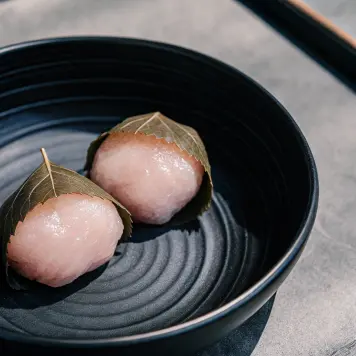
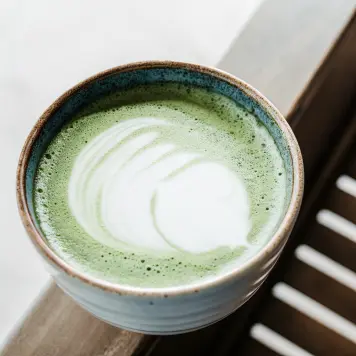
Matcha Wagashi
Breakfast~$6

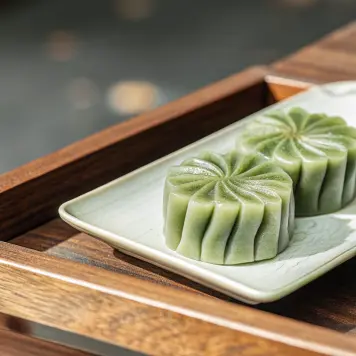
Find a cozy café in the Sumida area offering Matcha Wagashi, a delicate traditional sweet paired with a cup of freshly brewed green tea.

Matcha Wagashi
Takayama Ramen
Lunch~$12

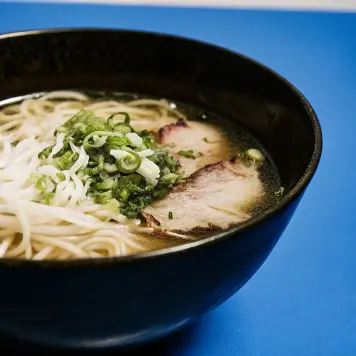
Look for a small eatery in Koenji serving hearty Takayama Ramen, a rich soy-based noodle soup with local mountain vegetables for a comforting meal.

Takayama Ramen
Shochu
Dinner~$18

Choose a local izakaya in Koenji and try dishes like grilled seasonal vegetables or offal along with a glass of Shochu to finish the day authentically.

Shochu
Use the Tokyo Metro and JR trains for easy access between Sumida and Koenji. For short trips within Koenji, explore on foot or use the JapanTaxi app for rides at about JPY 300 per km.

AccommodationKoenji (bohemian district known for art and music)

Staying in Koenji puts you in the heart of the underground scene with easy access to craft workshops and local eateries.

Hotel in Koenji (bohemian district known for art and music)
$50-70/night

Staying in Koenji puts you in the heart of the underground scene with easy access to craft workshops and local eateries.

Search hotels in this area
Day 3Urban Parks and Secret Viewpoints Tokyo
Morning
Morning walk at Inokashira Park

~2 hours

Start your day with a stroll around Inokashira Park in Kichijoji, a local favorite spot. Walk along the pond and explore the hidden corners by the Ghibli Museum side without heading inside. Stop by small coffee shops near the park's west exit.

Afternoon

Visit Nezu Shrine and its quiet gardens

Visit Nezu Shrine and its quiet gardens

Explore the tranquil Nezu Shrine in Bunkyo ward, known for its beautiful azalea garden and quiet arbored walkways. Head to the hidden inner sanctums not visible from main paths and check out the small traditional tea house nearby.

4.4(9k reviews)~2.5 hours
Evening

Sunset photo walk from a rooftop in Roppongi Hills

Sunset photo walk from a rooftop in Roppongi Hills

Finish the day at the Roppongi Hills Mori Tower rooftop deck for panoramic sunset views of Tokyo skyline. Aim to arrive at least 30 minutes before sunset to find a good spot and capture lesser-known angles away from the main viewing platform.

4.2(40k reviews)~1.5 hours

Meals

Recommended traditional local cuisine

Matcha Wagashi
Breakfast¥400

Find a local bakery near Inokashira Park and try a Matcha Wagashi, a traditional Japanese confection made with sweetened green tea flavors paired with coffee.

Matcha Wagashi
Sansai (Mountain Vegetable) Dishes
Lunch¥900

Look for a small eatery near Nezu Shrine that serves Sansai dishes (mountain vegetable dishes), featuring seasonal wild plants cooked with soy sauce and dashi broth.

Sansai (Mountain Vegetable) Dishes
Kushikatsu
Dinner¥1300

Dine at an izakaya near Roppongi Hills where you can order Kushikatsu, deep-fried skewered meat and vegetables, paired with a local sake for an authentic Tokyo nightlife vibe.

Kushikatsu
Use public transport like JR Chuo Line or Metro Tozai Line to navigate between Kichijoji, Bunkyo, and Roppongi. For convenience in the evening, JapanTaxi and DiDi apps offer affordable rides with base fares around ¥300 and ¥3/km.

AccommodationRoppongi (upscale nightlife and business district)

This area offers easy access to the evening activity and good transport connections to the rest of Tokyo.

Hotel in Roppongi (upscale nightlife and business district)
¥5000-8000/night

This area offers easy access to the evening activity and good transport connections to the rest of Tokyo.

Search hotels in this area
Day 4Street Food and Traditional Experiences Tokyo
Morning

Tsukiji Outer Market for local breakfast

Tsukiji Outer Market for local breakfast

Stroll through Tsukiji Outer Market in the early morning to find hidden stalls favored by locals. Try fresh sushi and tamagoyaki at small counters away from the main tourist pathways.

4.2(55k reviews)~2 hours
Afternoon
Traditional Tea Ceremony Experience

~1.5 hours

Join a tea ceremony in a quiet tea house near Ueno Park, where you can appreciate the intricate ritual in an intimate setting popular with local residents interested in culture.

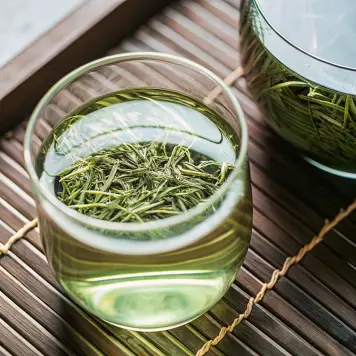
Experience a moment of tranquility as you engage in a ritual that emphasizes harmony, respect, purity, and tranquility. You'll typically observe meticulous attention to detail and elegant movements, guided by local experts who explain the cultural significance behind each step. Most classes include hands-on participation, allowing travelers to savor matcha tea prepared with traditional tools in an authentic setting.

Evening
Street Food Tour in Asakusa Historic District

~3 hours

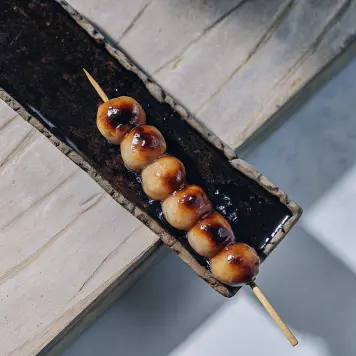
Explore side alleys around Asakusa beyond Kaminarimon Gate to discover street vendors selling unusual snacks like miso-dango and kuzumochi, which are less known among tourists.

Exploring vibrant street food scenes offers a sensory adventure filled with mouthwatering tastes and enticing aromas. You'll typically sample diverse dishes ranging from savory skewers to sweet treats, gaining insight into local culinary traditions and street culture. Local guides often share stories behind each dish, enriching the experience with cultural context and insider tips.

Meals

Recommended traditional local cuisine

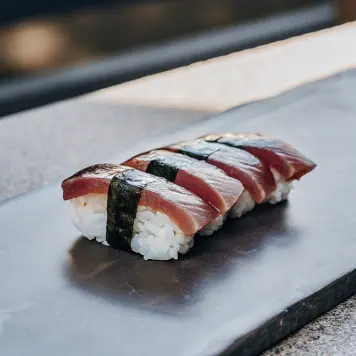
Sushi
Breakfast~1200 JPY

Find a sushi stall in Tsukiji Outer Market and try fresh nigiri or tamagoyaki, a sweet layered omelet.

Sushi
Tempura
Lunch~1000 JPY

Look for a small traditional eatery near Ueno offering soba noodles or seasonal vegetable tempura, a light and satisfying meal.

Tempura
Dinner
Join the street food tour in Asakusa and sample miso-dango, a grilled rice dumpling with miso sauce, and kushikatsu, deep-fried skewers.
~1300 JPY
Use Tokyo Metro and local buses to navigate between Tsukiji, Ueno, and Asakusa. For local taxis, use JapanTaxi or DiDi apps; taxis cost about 300 JPY per km.

AccommodationAsakusa (historic district with traditional ambience and street food access)

Staying in Asakusa places you close to evening street food spots and offers an authentic old Tokyo vibe.

Hotel in Asakusa (historic district with traditional ambience and street food access)
$50-70/night

Staying in Asakusa places you close to evening street food spots and offers an authentic old Tokyo vibe.

Search hotels in this area
Day 5Offbeat Museums and Interactive Art Tokyo
Morning

teamLab Planets TOKYO

teamLab Planets TOKYO

Start at teamLab Planets in Toyosu, a digital art museum that immerses you in interactive light and water installations. Go early to avoid crowds and wear clothes you don't mind getting wet.

4.5(49k reviews)~3 hours
Afternoon
Guided Architectural Walk in Omotesando

~2 hours

Join a guided walk focusing on lesser-known architectural gems along Omotesando’s side streets. See boutiques and buildings by local architects not on the main avenue.

You'll typically walk through neighborhoods where ultramodern skyscrapers sit beside century-old wooden temples, experiencing the striking contrast of high-tech design and traditional craft. Local guides often point out subtle details, explain the historical layers behind current styles, and suggest vantage points for great photos, making the route both educational and visually rewarding. Architectural variety, accessible public transport, and a culture that values meticulous design make the experience engaging for travelers who enjoy exploring how past and future coexist in an urban landscape.

Evening
Coffee in a Cozy Cafe in Daikanyama

~1.5 hours

End your day in Daikanyama at a quiet, off-the-main-street café known for artisanal coffee. Try a single-origin pour-over and soak up the relaxed neighborhood vibe away from tourists.

A relaxed cafe visit offers a peaceful pause from bustling urban life, where carefully brewed coffee and attention to detail turn a simple drink into a sensory ritual. You'll typically encounter meticulous pour-over methods and seasonal single-origin beans, and local baristas often explain brewing choices and tasting notes, making the experience a wonderful way to enjoy both tradition and contemporary flavor.

Meals

Recommended traditional local cuisine

Breakfast
Find a small bakery in Toyosu near the museum and try melonpan, a sweet bun with a crisp cookie dough top. Pair with a hot espresso to start your day.
Lunch
Look for a casual spot in Omotesando serving Sansai (mountain vegetable) dishes that highlight seasonal local greens and wild plants.
Hida Beef
Dinner$25-$35

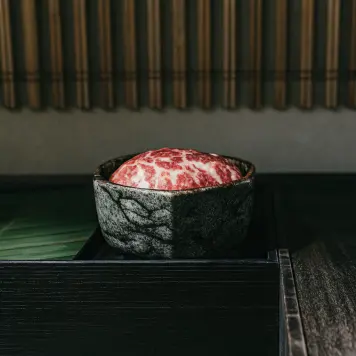
In Daikanyama, seek out a bistro offering modern Japanese cuisine and order Hida Beef, a prized regional delicacy known for its marbling and tenderness.

Hida Beef
Use Tokyo’s extensive subway and train network to get around. Apps like JapanTaxi, DiDi, and Uber are handy for quick taxi rides, costing about 300 JPY per kilometer.

AccommodationDaikanyama (chic residential and shopping neighborhood)

Daikanyama is ideal for a quiet night close to your evening coffee spot and has easy train access to other parts of Tokyo.

Hotel in Daikanyama (chic residential and shopping neighborhood)
$60-90/night

Daikanyama is ideal for a quiet night close to your evening coffee spot and has easy train access to other parts of Tokyo.

Search hotels in this area
Train1h 20m

Take the JR Shinkansen from Tokyo Station to Kanazawa. Book tickets in advance for better fares and seat availability.

Day 6Historic Streets and Local Markets Takayama
Morning

Miyagawa Morning Market

Miyagawa Morning Market

Explore this lively market along the Miyagawa River for fresh local produce and traditional crafts. Look for small stalls selling seasonal fruits and artisanal pickles popular with locals.

4.1(10k reviews)~2 hours
Late Morning

Sanmachi Suji Historic District exploration

Sanmachi Suji Historic District exploration

Wander the three atmospheric streets lined with well-preserved Edo-period merchant houses. Seek out hidden courtyards and artisan shops tucked away from the main alleys.

4.5(1k reviews)~2.5 hours
Afternoon

Visit Takayama Showa Museum

Visit Takayama Showa Museum

Delve into nostalgic Showa-era Japan with exhibits including toys, daily-life artifacts, and retro signage. It's a quiet spot often missed by tourists.

4.4(2k reviews)~1.5 hours
Evening
Find a local sake bar in Takayama

~2 hours

Head to a tucked-away sake bar near the old town area and sample varieties from the Hida region. Ask the bartender for recommendations based on your taste preference.

Meals

Recommended traditional local cuisine

Hida no Yume
Breakfast¥500-700

Find a nearby café and try Hida no Yume, a local steamed bun specialty that's light and fluffy for a quick start.

Hida no Yume
Takayama Ramen
Lunch¥800-1000

Look for a small eatery in Sanmachi Suji district and order Takayama Ramen, known for its clear soy-based broth and thin noodles.

Takayama Ramen
Sansai (Mountain Vegetable) Dishes
Dinner¥1500-2000

Choose a local sake bar and accompany your drinks with Sansai (Mountain Vegetable) Dishes, a seasonal vegetable side dish reflecting the region's flavors.

Sansai (Mountain Vegetable) Dishes
Walking is best to explore the compact Takayama old town; use JapanTaxi or DiDi apps for short taxi rides with fares around ¥300 per kilometer.

AccommodationSanmachi Suji (historic district with traditional wooden houses)

Staying here places you right in the heart of Takayama's charming old town, perfect for early morning market visits and evening strolls.

Bed & Breakfast in Sanmachi Suji (historic district with traditional wooden houses)
¥5000-7000/night

Staying here places you right in the heart of Takayama's charming old town, perfect for early morning market visits and evening strolls.

Search hotels in this area

Day 7Traditional Heritage and Nature Takayama
Morning

Hida Folk Village visit

Hida Folk Village visit

Explore this open-air museum featuring traditional farmhouses and workshops from the Hida region. Look for less-visited corners of the village near the streams to catch locals practicing old crafts.

4.5(6k reviews)~2.5 hours
Afternoon

Shiroyama Park hike and viewpoint

Shiroyama Park hike and viewpoint

Take the quiet trails up Shiroyama Hill for peaceful nature walks. The viewpoint near the summit offers panoramic views over Takayama city and the surrounding mountains, especially serene during spring.

4.1(641 reviews)~3 hours
Evening
Try local Hida beef dining

~2 hours

Find a small local restaurant off Furumachi Street where you can savor authentic Hida beef, prized for its marbling. Opt for a grilled beef set to taste the regional specialty in a low-key setting.

Meals

Recommended traditional local cuisine

Matcha Wagashi
Breakfast~¥700

Find a neighborhood café in Takayama's Old Town and try a light matcha wagashi, a traditional sweet, paired with brewed green tea to start your day gently.

Matcha Wagashi
Lunch
Look for a soba noodle shop popular with locals near Shiroyama Park and order a bowl of hot soba with mountain vegetables (sansai) to enjoy a warming, traditional meal.
~¥1000
Hida Beef
Dinner~¥2500

Choose a hidden gem restaurant specializing in Hida beef cuisine and order the grilled Hida beef set meal, known for its tenderness and rich flavor.

Hida Beef
Best to walk or rent a bicycle to explore Takayama's compact Old Town and nearby attractions. Use JapanTaxi or DiDi apps for taxis if needed, roughly ¥300 per km.

AccommodationFurumachi (historic neighborhood with traditional buildings)

Close to Hida Beef restaurants and within walking distance of the Folk Village and Shiroyama Park, offering authentic local charm.

Bed & Breakfast in Furumachi (historic neighborhood with traditional buildings)
¥5000-7000/night

Close to Hida Beef restaurants and within walking distance of the Folk Village and Shiroyama Park, offering authentic local charm.

Search hotels in this area
Day 8Shrines and Local Life Takayama
Morning

Sakurayama Hachimangu Shrine

Sakurayama Hachimangu Shrine

Explore this tranquil shrine located in Takayama's historic district, known for its peaceful atmosphere and intricate wood carvings. Arrive early to enjoy the quiet before crowds and take time to admire nearby hidden stone lanterns and small garden paths.

4.4(2k reviews)~2 hours
Afternoon
Higashiyama Walking Course

~3 hours

Walk the scenic trail starting from Maruyama Park, weaving through quiet alleys of old Kyoto with stops at small temples and secret shops. Use local maps to find tucked-away courtyards and tea houses away from the main tourist lanes.

Scenic walking route through historic and cultural sites

Evening
Attend a local artisan craft workshop

~2 hours

Join a hands-on workshop in a neighborhood studio in Kyoto's Gion district to learn traditional crafts like woodblock printing or pottery. Workshops typically require advance booking and offer intimate settings with local artisans.

Meals

Recommended traditional local cuisine

Miso-dango
Breakfast~¥400

Find a street-side vendor near Takayama's morning market and try Miso-dango, grilled rice dumplings glazed with savory miso paste.

Miso-dango
Sansai (Mountain Vegetable) Dishes
Lunch~¥1200

Look for a small eatery along the Higashiyama route serving Sansai (Mountain Vegetable) Dishes, lightly sautéed wild greens and vegetables reflecting seasonal freshness.

Sansai (Mountain Vegetable) Dishes
Kaiseki
Dinner~¥3000

Dine at a cozy Gion neighborhood tavern and order Kaiseki, a multi-course dinner featuring delicately prepared seasonal Kyoto ingredients.

Kaiseki
Use Kyoto's extensive bus system to reach Higashiyama sites and the artisan workshop. For quicker travel within districts, taxis from apps like JapanTaxi or DiDi cost about ¥300 per kilometer.

AccommodationGion (historic geisha district known for traditional wooden machiya houses)

Staying in Gion offers easy access to the artisan workshops and immersive traditional ambiance after the day's activities.

Bed & Breakfast in Gion (historic geisha district known for traditional wooden machiya houses)
$60-90/night

Staying in Gion offers easy access to the artisan workshops and immersive traditional ambiance after the day's activities.

Search hotels in this area
Bus1h 30m

Take an intercity bus from Kyoto to Kanazawa to reach the Samurai District. Booking tickets online in advance during peak season is recommended.

Day 9Samurai District and Gardens Kanazawa
Morning

Kenroku-en Garden

Kenroku-en Garden

Visit early to enjoy this iconic garden with fewer crowds. Focus on hidden spots like the Kasumiga-ike Pond and secluded teahouses in the northeast corner.

4.4(36k reviews)~2 hours
Late Morning

Kanazawa Castle Park walk

Kanazawa Castle Park walk

Walk along the outer moat and search for the lesser-known Ishikawa-mon Gate and nearby secret garden areas away from tourist paths.

4.3(12k reviews)~1.5 hours
Afternoon

Nagamachi Samurai District exploration

Nagamachi Samurai District exploration

Explore narrow lanes and visit old samurai houses such as Nomura-ke, then find small courtyards often missed by tourists near the Seisonkaku Villa.

4.2(5k reviews)~2.5 hours
Evening
Dine at local seafood izakaya

~2 hours

Choose an izakaya in the Omicho Market area for fresh, local seafood dishes like saba sashimi and grilled crab, popular with locals rather than tourists.

Meals

Recommended traditional local cuisine

Dorayaki
Breakfast~¥400

Find a local café near Kenroku-en Garden and order a green tea with dorayaki, a red bean pancake treat.

Dorayaki
Lunch
Look for a noodle shop close to Kanazawa Castle Park and try sansai (mountain vegetable) soba, a light and local specialty.
~¥800
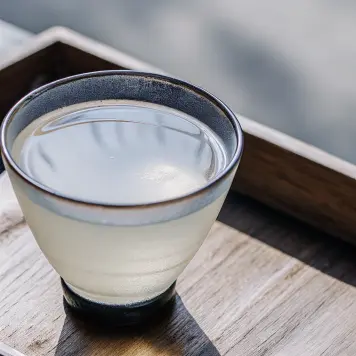
Sake
Dinner~¥1500

Seek out a seafood izakaya in the Nagamachi area and order fresh saba sashimi and local sake to complement your meal.

Sake
Use local buses for easy access between Kenroku-en, Kanazawa Castle Park, and Nagamachi. For short distances, walking is pleasant. Taxi apps like JapanTaxi work well with fares around ¥300 per km.

AccommodationKanazawa Central (near Kenroku-en Garden)

Convenient to major sights and quiet at night for restful stays.

Hotel in Kanazawa Central (near Kenroku-en Garden)
$50-70/night

Convenient to major sights and quiet at night for restful stays.

Search hotels in this area
Day 10Historic Tea Houses and Modern Art Kanazawa
Morning

Higashi Chaya District

Higashi Chaya District

Explore the historic Higashi Chaya District in Kanazawa for a morning of Edo-era teahouse charm. Walk along the main street toward the Shima and Kaikaro teahouses and peek into hidden courtyards where locals often gather in quiet. Look for traditional crafts shops tucked away in side alleys for unique souvenirs.

4.2(22k reviews)~3 hours
Afternoon

21st Century Museum of Contemporary Art

21st Century Museum of Contemporary Art

Spend the afternoon at Kanazawa's 21st Century Museum of Contemporary Art located near Kenrokuen Garden. Focus on the less crowded galleries and outdoor installations along the circular building. Access the museum via the Kanazawa Loop Bus or a 20-minute walk from the Higashi Chaya District.

3.8(18k reviews)~3 hours
Evening

Kanazawa Station Tsuzumi-mon Gate exploration and local dinner

Kanazawa Station Tsuzumi-mon Gate exploration and local dinner

In the evening, stroll around Kanazawa Station at the Tsuzumi-mon Gate to experience its modern architectural flair. Find a local izakaya or small eatery in the surrounding Katamachi district to enjoy regional Kaga ryori dishes like jibuni, a simmered duck stew favored by locals.

4.5(2k reviews)~2 hours

Meals

Recommended traditional local cuisine

Matcha Wagashi
BreakfastAround 500 JPY

Find a café in Higashi Chaya District that serves Matcha Wagashi, traditional matcha sweets paired with green tea, for a light start to your day.

Matcha Wagashi
Sansai (Mountain Vegetable) Dishes
LunchAbout 1200 JPY

Seek out a small restaurant near the 21st Century Museum serving Sansai (Mountain Vegetable) Dishes, a seasonal local delicacy. Try their vegetable tempura for a satisfying lunch.

Sansai (Mountain Vegetable) Dishes
jibuni
DinnerApproximately 1500 JPY

Look for an izakaya in Kanazawa's Katamachi street area offering Kaga ryori, especially jibuni, a duck stew slow-cooked in soy sauce and broth. Pair with local sake for authentic flavor.

jibuni
Use Kanazawa's well-connected bus system to get around, specifically the Kanazawa Loop Bus for convenient access to Higashi Chaya District and the 21st Century Museum. For quick rides, use JapanTaxi or DiDi apps; taxis cost about 300 JPY per kilometer.

AccommodationKatamachi (lively downtown area with dining and nightlife)

Staying in Katamachi places you close to dining options and Kanazawa Station for easy access to the next destination.

Hotel in Katamachi (lively downtown area with dining and nightlife)
$50-70/night

Staying in Katamachi places you close to dining options and Kanazawa Station for easy access to the next destination.

Search hotels in this area
Bus1 hour 30 minutes

Take the highway bus from Kanazawa Station to the Hidden Temples and Gardens area near Kyoto. Booking in advance is recommended for the best rates and seating.

Day 11Hidden Temples and Gardens Kyoto
Morning

Visit Ginkaku-ji

Visit Ginkaku-ji

Explore Ginkaku-ji in the Sakyo ward early to avoid crowds. Beyond the famous Silver Pavilion, seek out the moss garden and small hidden teahouses within the temple grounds for quiet moments.

4.5(17k reviews)~2 hours
Afternoon
Philosopher's Path Walk

~3 hours

Walk the Philosopher's Path starting from Ginkaku-ji south towards Nanzen-ji. Pause at unmarked small shrines and artisan shops along the canal, especially those off the main path in the Higashiyama district.

You'll typically stroll along a peaceful canal edged with cherry trees and stone lanterns, taking in quiet temple facades and seasonal blooms that transform the scenery. Local guides often explain the historical and cultural context, and most walks include serene stops at small shrines and tea houses that make the route both relaxing and enlightening.

Evening

Find a quiet tea house in Gion District

Find a quiet tea house in Gion District

In Gion, opt for a less touristy teahouse away from Hanami-koji Street. Look on narrow alleys around Shirakawa Area for traditional wooden teahouses favored by locals serving matcha and seasonal wagashi.

~2 hours

Meals

Recommended traditional local cuisine

Dorayaki
Breakfast$8

Find a small café near Ginkaku-ji serving matcha with dorayaki, a sweet pancake sandwich with red bean paste, for a local start to the day.

Dorayaki
Lunch
Look for a cozy local eatery along Philosopher's Path offering soba noodles made with mountain vegetable broth to enjoy Sansai flavors.
$12
Kaiseki Ryori
Dinner$30

Find a quiet spot in Gion to try kaiseki ryori, a traditional multi-course meal showcasing seasonal Kyoto ingredients.

Kaiseki Ryori
Best to walk around Sakyo and Higashiyama wards to fully experience hidden temples and paths. Use Uber or JapanTaxi for short trips at about $3/km if needed.

AccommodationGion (historic geisha district and cultural heart of Kyoto)

Staying in Gion places you near the evening tea house scene and close to key temples for next morning.

Hotel in Gion (historic geisha district and cultural heart of Kyoto)
$50-80/night

Staying in Gion places you near the evening tea house scene and close to key temples for next morning.

Search hotels in this area
Day 12Historic Landmarks and Local Cuisine Kyoto
Morning

Fushimi Inari Taisha early hike

Fushimi Inari Taisha early hike

Start early to avoid crowds and enjoy the peaceful path of thousands of red torii gates up Mount Inari in Fushimi ward. Watch for smaller side trails leading to hidden viewpoints and original shrines.

4.6(85k reviews)~2 hours
Afternoon

Nishiki Market street food experience

Nishiki Market street food experience

Explore Nishiki Market in central Kyoto, a narrow shopping street packed with local vendors. Sample grilled mochi, fresh seafood skewers, and pickled vegetables while visiting small tucked-away shops favored by locals.

4.3(50k reviews)~3 hours
Evening
Kaiseki Ryori dining in a traditional setting

~2 hours

Book an intimate kaiseki ryori meal in the Gion district, focusing on seasonal, artfully presented dishes. Seek out a venue with tatami rooms and quiet courtyards for a serene dining atmosphere.

Enjoying a multi-course meal prepared with seasonal ingredients offers a deep dive into the artistry and precision of traditional Japanese cuisine. You'll typically experience beautifully presented dishes that highlight the harmony of taste, texture, and appearance. Local chefs often emphasize the changing seasons and regional flavors, making each dining experience unique and memorable.

Meals

Recommended traditional local cuisine

Dorayaki
Breakfast~¥600

Find a neighborhood café near Fushimi Inari serving matcha and dorayaki, a sweet pancake sandwich filled with red bean paste, a perfect light start.

Dorayaki
Lunch
Look for small stands in Nishiki Market selling takoyaki, the popular octopus balls, and yuba (tofu skin) dishes for a filling street food lunch.
~¥1000
Kaiseki Ryori
Dinner~¥3500

Reserve a seat at a kaiseki ryori restaurant in Gion and try the traditional multi-course meal featuring seasonal vegetables and local fish.

Kaiseki Ryori
Use local buses and the Keihan rail line to get between Fushimi Inari and Nishiki Market then take a short taxi ride within Gion at about ¥300/km. Apps like JapanTaxi and DiDi are reliable in Kyoto.

AccommodationGion (historic geisha district)

Staying in Gion places you near the evening kaiseki ryori experience and offers charming old-world streets for off-the-beaten-path exploring.

Bed & Breakfast in Gion (historic geisha district)
$60-90/night

Staying in Gion places you near the evening kaiseki ryori experience and offers charming old-world streets for off-the-beaten-path exploring.

Search hotels in this area
Day 13Castles and Bamboo Forest Kyoto
Morning

Nijo Castle visit

Nijo Castle visit

Start your morning in the historic Nakagyo ward of Kyoto. Nijo Castle opens early, so arrive at opening time to avoid crowds, then explore its secret gardens and hidden courtyards favored by locals.

4.4(41k reviews)~2 hours
Afternoon

Arashiyama Bamboo Grove exploration

Arashiyama Bamboo Grove exploration

Head to Arashiyama neighborhood in western Kyoto mid-afternoon. Explore the bamboo grove early to avoid the peak, then wander down back streets to find quiet temples and viewpoints locals cherish.

4.3(21k reviews)~2 hours
Evening
Boat ride on Hozu River

~2 hours

Evening boat rides along Hozu River depart near Arashiyama. Choose a small traditional boat with fewer passengers for a peaceful experience passing through scenic gorges and forested hills.

Meals

Recommended traditional local cuisine

Breakfast
Find a small café near your accommodation in Nakagyo ward and try a light Japanese breakfast set featuring miso soup, grilled fish, and steamed rice.
$12
Tempura
Lunch$12

Grab tempura at a local eatery near Arashiyama Bamboo Grove, focusing on seasonal vegetables and river fish, a local specialty fresh and lightly battered.

Tempura
Dinner
Look for a riverside restaurant in Arashiyama offering kaiseki ryori, a traditional multi-course meal highlighting local ingredients and Kyoto-style flavors.
$30
Best way to get around Kyoto is by using buses and local trains; taxis are also available with apps like JapanTaxi and Uber, costing about 3 JPY per km.

AccommodationArashiyama (scenic neighborhood known for bamboo groves and river views)

Staying here lets you experience peaceful evenings after the day’s activities and easy access to morning attractions.

Hotel in Arashiyama (scenic neighborhood known for bamboo groves and river views)
$50-70/night

Staying here lets you experience peaceful evenings after the day’s activities and easy access to morning attractions.

Search hotels in this area
Day 14Local Life and Crafts Kyoto
Morning
Visit a traditional crafts workshop

~3 hours

Explore a tucked-away workshop in the Kuramae neighborhood, known for its artisan pottery and handmade trinkets. Look for places just off the main street where locals create and sell their crafts in intimate settings.

View details, tips, opening times & more
Afternoon
Coffee break in nearby local cafe

~1.5 hours

Head to a local café in Kuramae serving artisanal coffee and freshly baked treats. Seek out small shops that roast their own beans and offer a quiet spot to relax away from tourists.

Evening
Attend a seasonal spring festival

~3 hours

Join the community at a lesser-known shrine in Sumida Ward, where locals host a spring festival featuring traditional performances and street food stalls. The atmosphere is lively yet authentic, perfect for mingling with residents.

Enjoy vibrant celebrations filled with traditional music, colorful decorations, and lively parades. You'll typically experience local foods, cultural performances, and seasonal customs that highlight the rich heritage and community spirit. The festive atmosphere combined with Tokyo's unique blend of modernity and tradition creates an unforgettable cultural experience for travelers.

Meals

Recommended traditional local cuisine

Breakfast
Find a small bakery near Kuramae and try a freshly made Matcha Wagashi alongside a cup of green tea. This traditional sweet pairs beautifully with the light bitterness of the tea.
$5
Hida Beef
Lunch$12

Look for a neighborhood eatery that serves Hida Beef in a simple grilled style or as a rice bowl. This local specialty is tender and flavorful, offering an authentic taste of regional cuisine.

Hida Beef
Takoyaki
Dinner$10

Seek out a street food stall at the spring festival offering Tako-yaki, a popular octopus-filled snack, paired with a cold local sake for a festive dinner experience.

Takoyaki
The best way to get around Kuramae and Sumida Ward is by using the Tokyo Metro and buses. For convenience and local taxis, use JapanTaxi app with fares around JPY 300 per kilometer.

AccommodationKuramae (artisan and crafts district)

Staying here places you in the heart of local workshop culture and close to the spring festival location.

Hotel in Kuramae (artisan and crafts district)
$50-80/night

Staying here places you in the heart of local workshop culture and close to the spring festival location.

Search hotels in this area

Export Your Trip

Get your trip plan as a PDF with maps and a CSV spreadsheet.

Loading

Budget Breakdown

Accommodation / night$50
Food / day$12
Transport / day$8
Activities / day$10
Daily total$80
Trip total$1,120

Accommodation based on hotel average price. Food includes mix of restaurant meals and street food. Transport covers trains, buses, and occasional taxis. Activities budget covers entrance fees and local experiences.

Good to Know

Hidden Spots: Explore secret courtyards, underground scenes, and local hangouts away from tourist crowds.
Language: Basic Japanese phrases helpful. Many locals speak limited English.
Taxi Apps: Use JapanTaxi, DiDi, Uber for convenient local rides.
Tap Water: Safe to drink, carry a reusable bottle.
Spring Weather: Bring light rain gear for occasional showers.
Tipping: Not customary and may be considered rude.
Safety: Excellent safety; be mindful of wildlife like venomous snakes and wild boars in nature spots.
Transport: Excellent public transport with trains, subways, and buses; consider a JR Pass for savings.
Healthcare: High-quality healthcare available.
Local Culture: Respectful behavior and etiquette highly valued by locals.

Pre-Trip Checklist

Documents

Booking

Packing

Health

Connectivity

Get eSIM for Japan

The easiest and most affordable way to get mobile internet wherever you travel.